Branko Ištvančić: From Grain to Painting
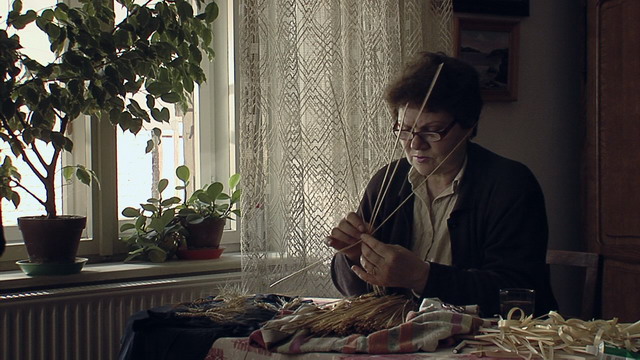
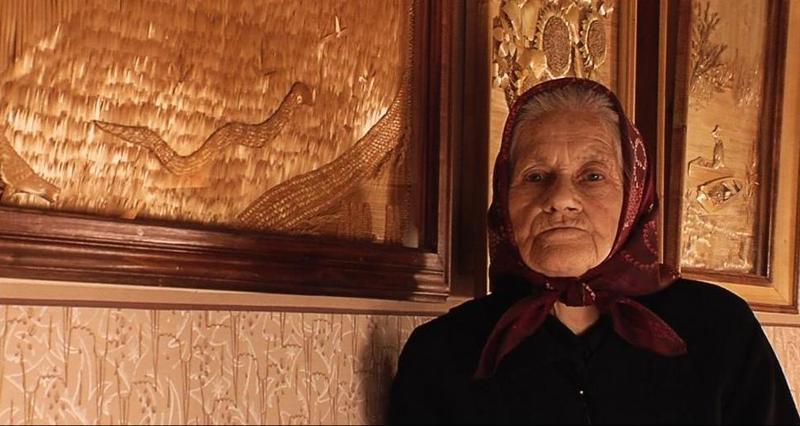
| OD ZRNA DO SLIKE Film o slamarkama i njihovoj umjetnosti koja polako pada u zaborav. Hrvatske umjetnice u Bačkoj, tzv. “slamarke” slamarske umjetnice, nešto su poput zaboravljena čuda. Pletući slamu na lijep i poetski način opisuju svoj teški usamljenički život na malenom imanju s kućom usred beskrajne, zlatne Panonske ravnice s nekoliko stabala i neizostavnim bunarom (salaš). Vrlo česti motivi malene su katoličke crkve i kršćanski simboli ali i veliki broj motiva iz svakidašnjeg života. Na međunarodnoj izložbi naivne umjetnosti u Moskvi 1976. godine Ana Milodanović osvojila je zlatnu medalju za svoj rad od pletene slame, a Kata Rogić imala je izuzetnu čast darovati svoj rad papi Pavlu VI. u Vatikanu 1964. godine. |
FROM GRAIN TO PAINTING Film about straw-girls and their art which is slowly falling to oblivion Croatian female artists called straw-girls in the region of Bačka are something like forgotten miracle. The name ‘straw-girls’ is derived from Croatian name for straw. They use straw weaving for making beautiful and poetic description of their hard and lonely life at home which is a small oasis with a hut in immense Panonian golden plain with several trees and unavoidable well. Very common motives are small Catholic churches and Christian symbols. At the 1976 international exhibition of naive art in Moscow Ana Milodanovic won the gold medal with her work with straw weaving. Also, Kata Rogic had exceptional honour to present her work to Pope Paul the 6th in Vatican in 1964. |

| Branko Ištvančić Branko Istvancic was born in Subotica. Graduated film and TV direction in 1999 at Academy of Dramatic Arts in Zagreb capital of Croatia. Making his first, documentary films on 8 mm camera at 15 with his first Hungarian film teacher Zoltan Siflis from Subotica, he has continuously been involved with documentary films and has received Croatian as well as international rewards for his work – The Grand Prix at Croatian Short and Documentary Film Festival, “Oktavijan” award for the best documentary and “Zlatna Uljanica” Golden Oil-lamp award being among them. His student short fiction Saying Goodbye / Rastanak was included in the New Direction programme of The First Film Foundation in London, a selection of six outstanding films by promising European directors.  Deeply enrooted in the Croatian documentary tradition, he pays special attention to the humane, but also humoristic, treatment of his subjects. His successfully film, Wellman / Bunarman (2003), continues this tradition, and elevates the simple story about a well digger to a level of the universal metaphor, but without the pretentious nature of many Croatian documentaries. The critics consider his film The Cormorant Scarecrow / Plasitelj Kormorana (1998) to be one of the best Croatian documentaries of the nineties. |
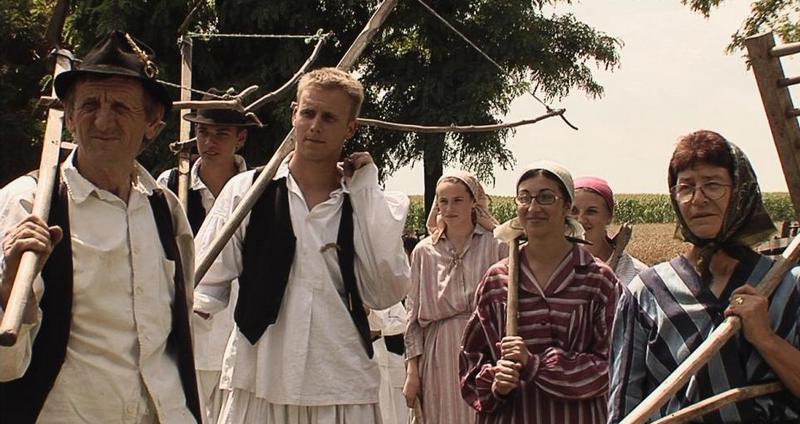
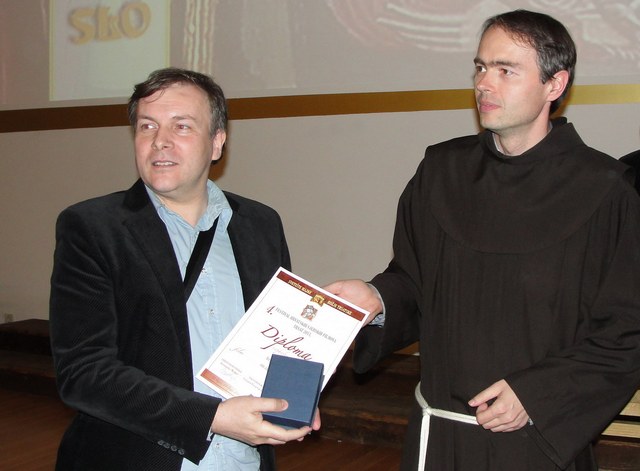
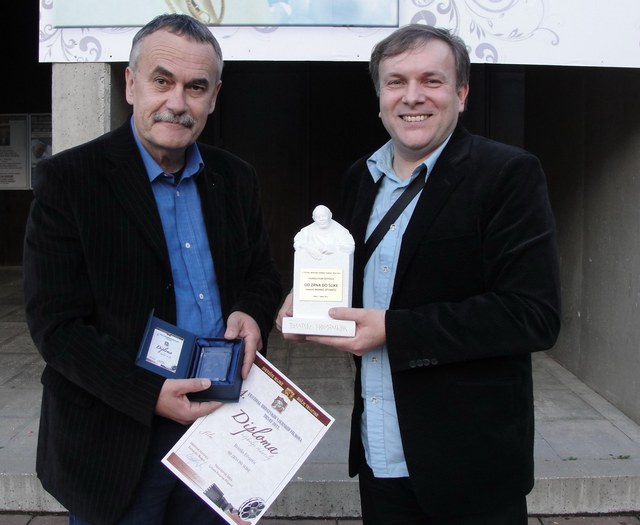
| ‘Od zrna do slike’ Branka Ištvančića nagrađen na Festivalu hrvatskih vjerskih filmova u Trsatu U konkurenciji od deset filmova, dugometražni dokumentarni film Branka Ištvančića Od zrna do slike osvojio je Grand prix i nagradu za najboljeg redatelja na Festivalu hrvatskih vjerskih filmova, koji se od 30. svibnja do 1. lipnja održavao u Trsatu. Žiri kojim je predsjedavala Ljiljana Bunjevac Filipović, TV-redateljica i urednica, a u čijem su sastavu bili i TV-autor Miroslav Mahečić, filmski kritičar Dejan Dabić, trsatski franjevac fra Zoran Bibić i teatrologinja Sanja Nikčević dodijelili su Grand prix filmu Od zrna do slike Branka Ištvančića, za sasvim osobitu i poetičnu priču o „slamarkama“ na sjeveru Vojvodine koja povezuje autonomne vrijednosti naivne umjetnosti s tradicionalnim vrijednostima života čije je osnovno uporište u vjeri, navodi se u pripćenju s festivala. Ištvančić je također proglašen i najboljim redateljem. U natjecateljskom programu festivala prikazano je deset filmova, a ostale nagrade su sljedeće: za najbolji scenarij nagrađene su Jasminka Domaš i Milka Jauk-Pihak za film Vesdin. Najboljim snimateljima proglašeni su Tvrtko Mršić i Joško Boić za film Poljički pastir u pastvi Gradišća, dok je kao najbolji skladatelj nagrađen Emilijo Kutleša za glazbu više filmova. Nagradu za najbolju montažu osvojio je Nenad Vuković za Vesdin. 4. izdanje Festivala hrvatskih vjerskih filmova održavalo se od 30.svibnja do 1. lipnja u najstarijem hrvatskom marijanskom svetištu Trsat u Rijeci. Festival na jednom mjestu okuplja i izlaže natjecateljskom vrednovanju godišnju produkciju vjerskih filmova snimljenih u Hrvatskoj i njezinoj dijaspori. |

| From Grain to Painting Branko Istvancic was born in Subotica. Graduated film and TV direction in 1999 at Academy of Dramatic Arts in Zagreb capital of Croatia. Making his first, documentary films on 8 mm camera at 15 with his first Hungarian film teacher Zoltan Siflis from Subotica, he has continuously been involved with documentary films and has received Croatian as well as international rewards for his work – The Grand Prix at Croatian Short and Documentary Film Festival, “Oktavijan” award for the best documentary and “Zlatna Uljanica” Golden Oil-lamp award being among them. His student short fiction Saying Goodbye / Rastanak was included in the New Direction programme of The First Film Foundation in London, a selection of six outstanding films by promising European directors. Deeply enrooted in the Croatian documentary tradition, he pays special attention to the humane, but also humoristic, treatment of his subjects. His successfully film, Wellman / Bunarman (2003), continues this tradition, and elevates the simple story about a well digger to a level of the universal metaphor, but without the pretentious nature of many Croatian documentaries. The critics consider his film The Cormorant Scarecrow / Plasitelj Kormorana (1998) to be one of the best Croatian documentaries of the nineties. His debut The Ghost in the Swamp was a domestic box-office hit and has been chosen to mark the comeback of feature-length films for children which have not been made by the Croatian film industry for the last twenty years. He is member of Croatian Film Director’s Guild. 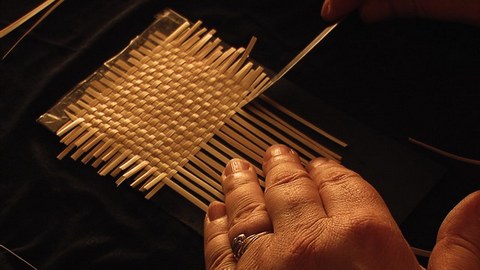 Documentary From Grain to Painting explores the culture and artistic expression of the Croatian national minority in Vojvodina region. The film focuses on straw-girls, folk artists from Backa, who found their medium of choice in ecological material of straw, using it to create paintings, sculptures and applied art objects. The film depicts the connection between their everyday lives and artistic expression, their specific social and national position. The film protagonists are famous straw-girls Ana Milodanovic and Jozefa Skenderovic, art historian Bela Duranci, priest Andrija Kopilovic and writer Naco Zelic. Through a series of interviews and authentic footage, the film promotes a renaissance of this craft which slowly, but definitely vanishes. |
Formated for CROWN by Darko Žubrinić
Distributed by www.Croatia.org . This message is intended for Croatian Associations/Institutions and their Friends in Croatia and in the World. The opinions/articles expressed on this list do not reflect personal opinions of the moderator. If the reader of this message is not the intended recipient, please delete or destroy all copies of this communication and please, let us know!


