Uninterrupted tradition from mid 20th century to the 21st century
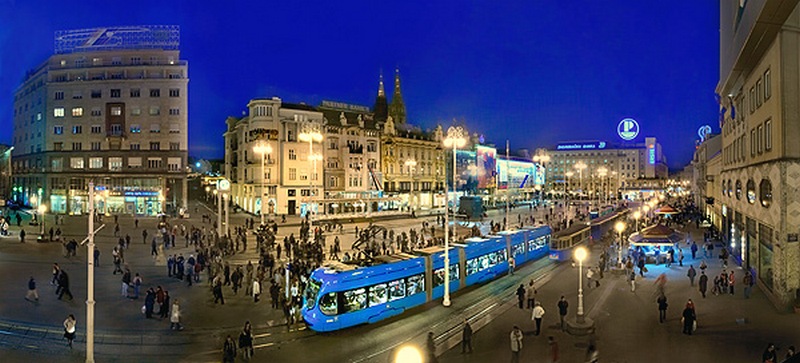
| Razvoj i proizvodnja elektrienih vozila u Hrvatskoj Gledajući slike i čitajući već letimično tekstove sigurno ćete se zapitati tko su bili ti ljudi koji su razvijali i proizvodili gradska, prigradska i željeznička tračna vozila te podmornice na elektrieni pogon. Samo nekolicina od tih ljudi zabilježena je u tvorniekim novinama i časopisima. Još ih je manje zabilježeno u spomenicama i monografijama razlieitih tvrtki i poduzeća. Svatko od onih koji su razvijali i proizvodili vozila i plovila mogao bi isprieati svoju povijesnu prieu. Zadatak je povjesnieara (i kronieara) da prepozna einjenice o kojima se većina slaže i da napiše povijest istinitu za većinu. No i priče povjesničara će se razlikovati u izboru i interpretaciji einjenica. Razvoj i proizvodnja vozila u Hrvatskoj zapoeela je 1951. godine izradom prototipa tramvaja. Zatim slijedi miljokazi: trolejbus, diodna lokomotiva, tiristorska lokomotiva, tiristorizacija diodnih lokomotiva, eoperski tramvaj, tranzistorski tramvaj pa sve do tranzistorskog elektromotornog vlaka 2011. godine. Razvoj i proizvodnja elektroopreme za podmornice zapoeela je 1970. godine razvojem i izradom glavnog i pomoćnog pogona velike podmornice. Zatim je uslijedio razvoj i izrada pomoćnog i glavnog pogona male podmornice. Razvoj diverzantske ronilice kao i razvoj podmornica je prekinut raspadom Jugoslavije 1990. godine. U Hrvatskoj razvoj i proizvodnja vozila je neprekinuta više od 60 godina. Tvornieko znanje (većim dijelom nenapisano znanje, tzv. prešutno znanje) neprekinuto se prenosilo kroz generacije. Diodna lokomotiva omogućila je razvoj tiristorske lokomotive, tiristorska lokomotiva modernizaciju i tiristorizaciju diodnih lokomotiva, tranzistorski tramvaj razvoj tranzistorskog elektromotornog vlaka. Lako je inovirati, ako se ima što inovirati! Glede inovacija, razvoja i održivosti naroda apsurdna je preporuka Bolonjske deklaracije da „ … sadržaj fakultetskog studija treba biti relevantan za radno mjesto“. Na fakultetu treba steći znanja (većim dijelom zapisana znanja) koja omogućuju otvaranje radnih mjesta. Tehniear ne može bez politieara. Politiear mora osigurati kontinuitet proizvodnje, on mora biti svjestan da otpuštanje radnika u svezi s ukidanjem proizvodnje znaei gubitak znanja. Prof. Zlatko Plenković, prvi direktor Elektrotehniekog instituta Rade Konear, u Glasniku Akademije tehniekih znanosti Hrvatske iz 2000. godine (vol. 7, br. 3) je napisao: „ …ali mislim da bi hrvatska diplomatska predstavništva trebala uspostavljati kontakte s potencijalnim investitorima i pomoći našim proizvođačima da dođu do posla, kako to i rade strana diplomatska predstavništva u Zagrebu”. Prof.dr. Zvonko Benčić |
Development and Production of Electric Vehicles in Croatia While looking at the images and reading superficially through the texts, you will surely wonder about the people who had developed and produced the urban, suburban and railway rolling stock, as well as electrically-driven submarines. Only a few of them were noted down in the factory newspapers and magazines. Even less were recorded in memorials and monographs of various companies and enterprises. Each and every one of those who developed and produced vehicles and vessels could tell his own historical tale. The task of historians (and chroniclers) is to recognize the facts generally agreed to be real and write history considered authentic according to the opinion of the majority. However, even the stories told by historians will differ in the choice and interpretation of facts. The development and production of vehicles in Croatia started in 1951 by a tram prototype. This was followed by several key mile-stones: trolley bus, diode type locomotive, thyristor type locomotive, thyristorisation of diode type locomotives, chopper trams, transistor tram, all the way to the transistor electric multiple unit (EMU) in 2009. The development and production of electrical equipment for submarines started in 1970 by developing and producing the main and auxiliary propulsion for a large submarine. This was followed by the development and production of the auxiliary and main propulsion for a small submarine. The development of a diversion underwater vehicle, as well as the development of submarines was suspended because of the breakup of Yugoslavia in 1990. In Croatia, the development and production of vehicles has lasted without interruption for more than 60 years. Factory knowledge (mostly unwritten, so called tacit knowledge) has been passed on continuously through generations. Diode type locomotive enabled the development of thyristor type locomotive, the thyristor type locomotive enabled the modernization and thyristorisation of diode type locomotives, the transistor tram gave rise to transistor EMUs. It is easy to make innovations when there is something to innovate! When it comes to innovations, development and national sustainability, the recommendation in the Bologna declaration that “…the contents of higher education studies should be relevant for one’s working position” is absurd. Higher education should provide knowledge (mostly written knowledge) which would enable the opening of new work places. A technician cannot do without a politician. A politician has to ensure the continuity of production; he has to be aware that laying off workers due to the cut down in production means losing knowledge. Prof. Zlatko Plenković, the first manager of Electrical Engineering Institute Rade Konear wrote in the Herald of the Croatian Academy of Technical Sciences in 2000 (vol. 7, no. 3): “…but I believe that Croatian diplomatic representations should establish contacts with potential investors and help our producers to obtain jobs, as foreign diplomatic representatives in Zagreb do”. Prof.dr. Zvonko Benčić |
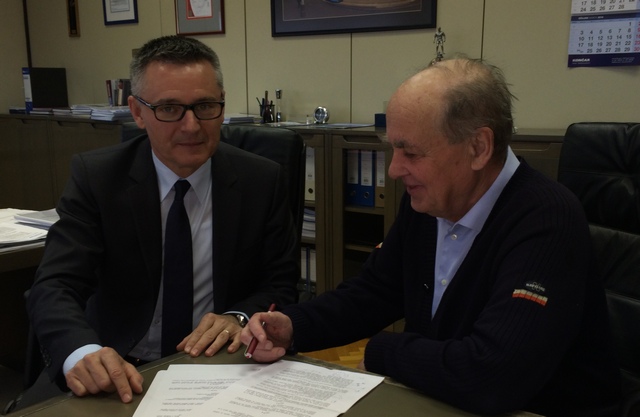
Priredili / prepared by
dr. sc. Ivan Bahun (lijevo / left) i dr.sc. Zvonko Benčić (desno / right)
1951
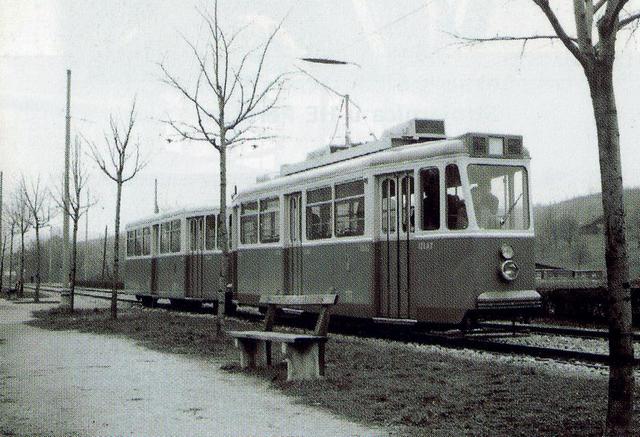
| Prototip tramvaja serije TMK 101 (dvoosovinski tramvaj, maksimalna brzina 60 km/h, dužina 11 m, a širina 2,2 m) proizveden je u radionicama Zagrebaekog elektrienog tramvaja (ZET). Imao je dva istosmjerna motora. Prototip vuenog istosmjernog motora (60 kW, 600 V, 860 okr/min, v. sliku) i cjelokupnu elektrienu opremu razvila je tvornica Rade Konear (RK). Serijska proizvodnja tramvaja predana je tvornici Đuro Đaković (ĐĐ), dok je serijska proizvodnja motora ostala u RK. Tramvaji serije TMK 101 proizvodili su se u razdoblju 1957.–1965. Prometovali su u Zagrebu (63 kom), Osijeku (8 kom) i Beogradu. Povueeni su iz uporabe 2005.–2008.; zamijenili su ih tramvaji serije TMK 2200. | A prototype of the TMK 101 series (two-axle tram, maximum speed 60 km/h, length 11 m, width 2.2 m) was produced in the workshops of Zagreb Municipal Transit System(Zagrebaeki elektrieni tramvaj ZET). It had two direct current motors. The prototype of a traction direct current motor (60 kW, 600 V, 860 rev/min, see figure) and the overall electrical equipment was developed by Rade Konear (RK) factory. Serial tram production was given to Đuro Đaković (ĐĐ) factory, while the serial motor production remained in RK. The TMK 101 series trams were produced from 1957 to 1965. They operated in Zagreb (63), Osijek (8) and Belgrade. They were withdrawn from service from 2005 to 2008; they were replaced by the TMK 2200 series trams. |
1955
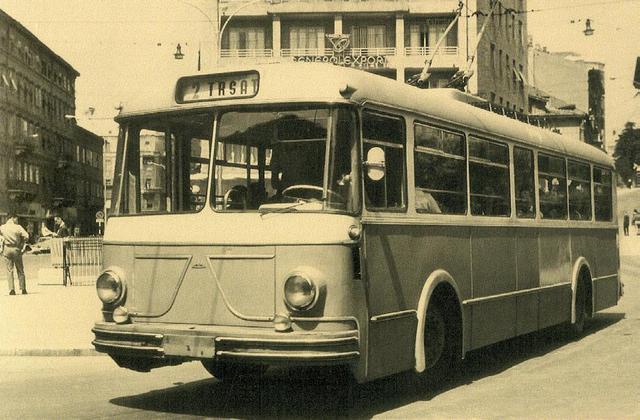
| Prema licenciji tvrtke Oerlikon te u suradnji s tvornicom Fabrika automobila Priboj (FAP) (Srbija) i tvrtkom Karoserija iz Ljubljane (Slovenija), tvornica Rade Konear (RK) počinje montažu trolejbusa i proizvodnju elektriene opreme za trolejbuse: vueni motor (103 kW, 600 V, 1410 okr/min), pomoćni dinamo (1200 W, 24 V), motor-kompresorska grupa, pedalni kontroler, otpornik za pokretanje i elektrieno koeenje i oduzimae struje. Tijekom godina isporueeno je za gradove u tadašnjoj Jugoslaviji (Dubrovnik, Ljubljana, Rijeka, Novi Sad, Beograd) više od 100 trolejbusa. | According to the license by the company Oerlikon and in cooperation with Fabrika automobila Priboj (FAP) factory in Serbia and the Karoserija company from Ljubljana (Slovenia), Rade Konear (RK) started mounting trolley buses and producing electrical equipment for trolley buses: a traction motor (103 kW, 600 V, 1410 rev/min), an auxiliary dynamo (1200W, 24 V), motor-compression group, a pedal controller, a resistor for actuating and electric braking and a pantograph. More than 100 trolley buses were delivered during the years for the cities of former Yugoslavia (Dubrovnik, Ljubljana, Rijeka, Novi Sad, Belgrade). |
1960
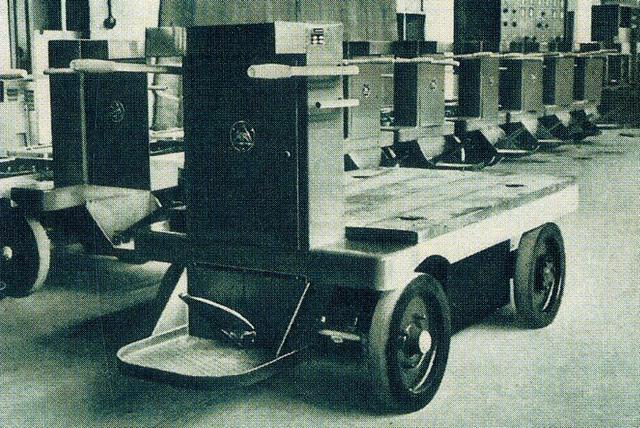
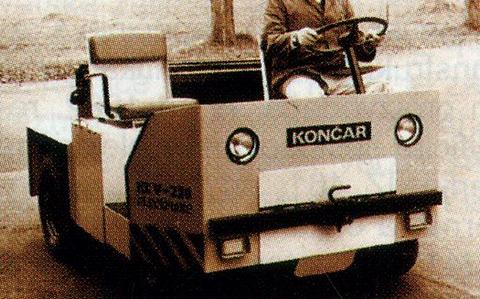
| Pogon tvornice Rade Konear u Sesvetskom Kraljevcu pokraj Zagreba poeinje proizvodnju elektrienih kolica s istosmjernim motorom sa serijskom uzbudom, napajanim iz akumulatorske baterije te s upuštanjem i regulacijom brzine putem otpornika. Tijekom godina ova su elektriena kolica modernizirana (sjedište za vozaea i suvozaea). Proizvedeno je više od 500 vuenih kolica. | The facilities of the Rade Konear factory in Sesvetski Kraljevac near Zagreb started with the production of electric trucks with a series-excited direct current motor, fed by an accumulator battery with starting and regulating speed by means of resistors. During the years, the electric truck was modernized (driver and co-driver seat). More than 500 traction trucks were produced. |
1961
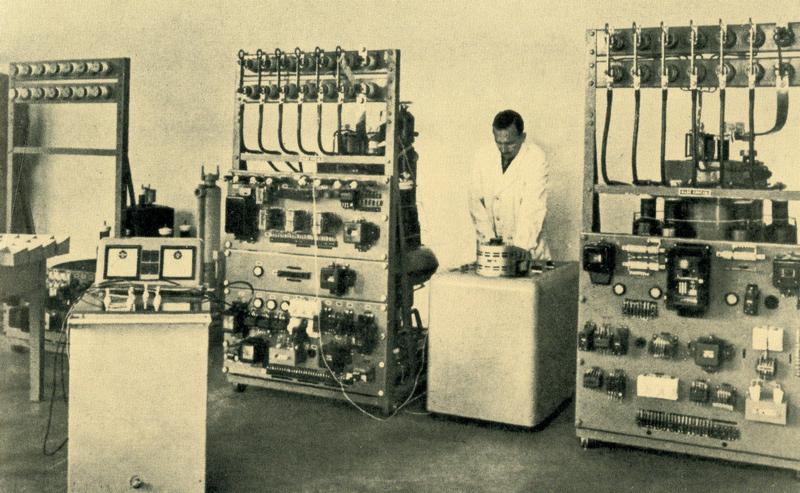
| Elektrotehnieki institut Rade Konear isporueio dva 6-anodna živina ispravljača za napajanje tramvajske mreže u Osijeku. Ti ispravljaei su u cijelosti razvijeni u Konearevom Institutu. Krajem 1962. montirane su ispravljaee stanice za gradsku vueu u Zagrebu, Sarajevu, Osijeku i Ljubljani, ukupne instalirane snage veće od 14 MW. | The Rade Konear Electrical Engineering Institute delivered two 6-anode mercury rectifiers for supplying the tram network in Osijek. Those rectifiers were entirely developed in Konear  Institute. Rectifying stations, with a total power of more than 14 MW, were mounted for urban traction in Zagreb, Sarajevo, Osijek and Ljubljana by the end of 1962. |
1963
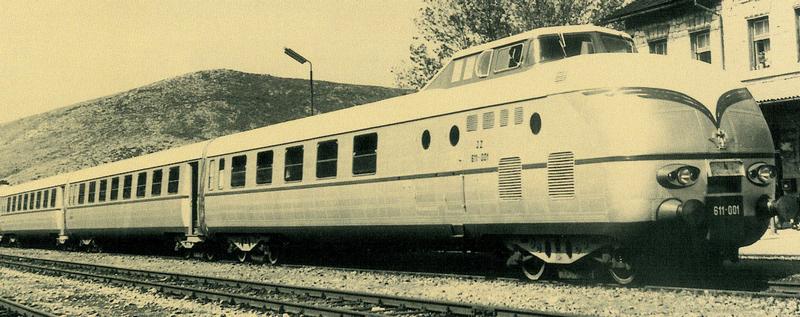
| To je bio prvi diesel-elektrieni vlak s aluminijskom oplatom u Europi (serije J(R) 611). Napredna aluminijska konstrukcija izazvala je pažnju svjetske industrije. Vlak je bio predviđen za prometovanje normalnom širinom kolosjeka (1435 mm) i za maksimalnu brzinu od 120 km/sat. Duljina vlaka preko odbojnika iznosila je 82,12 m, a širina 3 m; imao je 192 sjedišta. Za vueu je imao dva diesel-motora jediniene snage 400 KS. Tvornica Janko Gredelj iz Zagreba (JG) proizvela je tri prototipa, treći prototip isporueen je 1968. Svu elektrienu opremu (samouzbudne generatore, vuene motore, aparate za niski napon, regulatore uzbude generatora) isporueila je tvornica Rade Konear (udio RK: oko 30 %). Prometovao je na linijama Zagreb – Zadar i Zagreb –Beograd. JG je proizveo još tri garniture aluminijskog vlaka za uskotraenu prugu Zagreb – Samobor (poznatu pod nazivom „srebrna strijela“). Ideja nažalost nije komercijalizirana kako se oeekivalo s obzirom na interes koji je pobudio na međunarodnoj razini. | That was the first diesel-electric train with side aluminium plates in Europe (J(R) 611 series). Advanced aluminum construction attracted the attention of the world industry. The train was intended for operation on the normal gauge width (1435 mm) and for the maximum speed of 120 km/h. Train length over bumpers amounted up to 82.12 m, with the width of 3 m: it had 192 seats. It had two diesel-engines with a unit power of 400 HP. The Janko Gredelj factory from Zagreb (JG) produced three prototypes; the third prototype was delivered in 1968. All electrical equipment (self-excited generators, traction motors, low voltage devices, generator excitement regulators) was supplied by Rade Konear (RK share: about 30%). The train operated on the lines Zagreb – Zadar and Zagreb – Belgrade. JG produced three other sets of  the aluminum trains for the narrow gauge railway Zagreb – Samobor (also known as “Silver Arrow”). Unfortunately, the idea was not commercialized as expected considering the interest it raised on the international level. |
1965
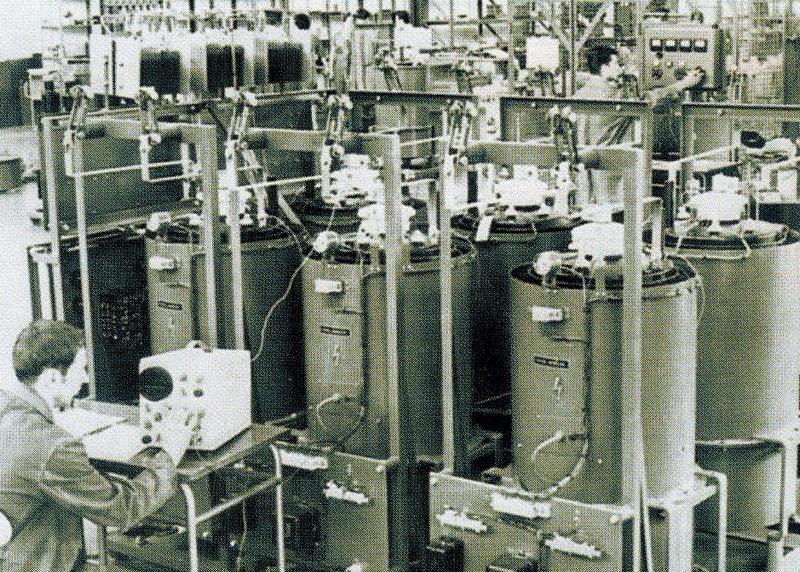
| Za napajanje željezničke vuče na pruzi Zagreb – Rijeka tvornica Rade Konear isporueila je 60 jednoanodnih živinih ventila. Ispravljač željezničke elektrovučne podstanice projektiran je za napon 3400 V i struju 667 A. Spoj ispravljaea bio je 6-fazni sa srednjom toekom; a jedan ispravljae je imao šest jednoanodnih živinih ventila. | Rade Konear delivered 60 single-anode mercury valves for the supply of rail traction on the railway Zagreb – Rijeka. The railway electric traction substation rectifier was designed for the voltage of 3400 V and 667 A of current. The rectifier connection was a six-phase design with a midpoint connection; one rectifier had six single-anode mercury valves. |
1966
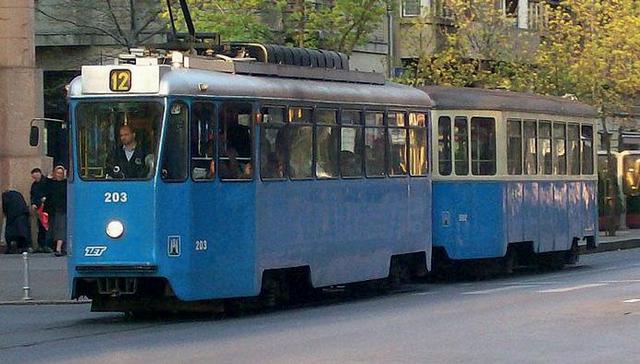
| TMK 201 je eetveroosovinski tramvaj. Ima eetiri motora, svaki snage od 60 kW. Maksimalna brzina je 56 km/h, dužina 14 m, a širina 2,2 m. Kapacitet je 165 putniekih mjesta i imao je mogućnost vuče jedne prikolice. Proizvodio se u tvornici Đuro Đaković. Prometovao je u Zagrebu (18 kom) u razdoblju 1966.–1993. i u Beogradu. Njegova motorna postolja iskorištena za izradu prototipa tramvaja TMK 2100. | TMK 201 was a four-axle tram. It had four motors, each with 60 kW of power. Maximum speed was 56 km/h, length 14 m, and width 2.2 m. It had a capacity of 165 passenger seats and the possibility of towing one trailer. It was produced in the Đuro Đaković factory. It operated in Zagreb (18 trams) from 1966 to 1993 and in Belgrade. Its motor base was used for making the prototype of the TMK 2100 tram. |
1970
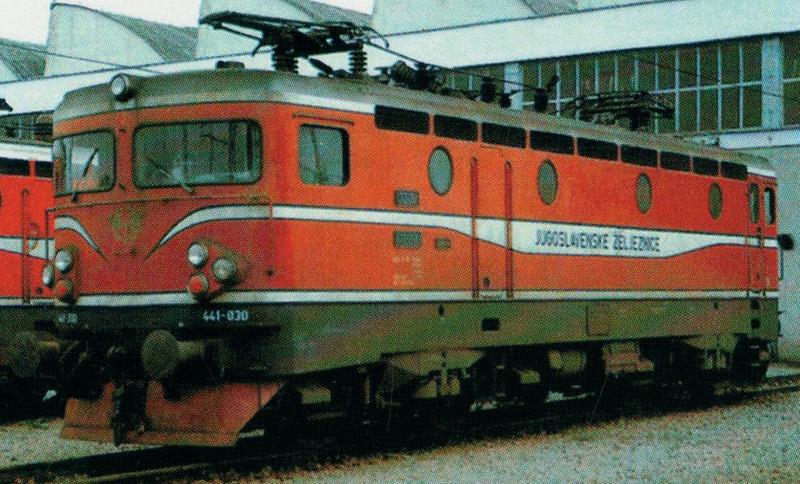
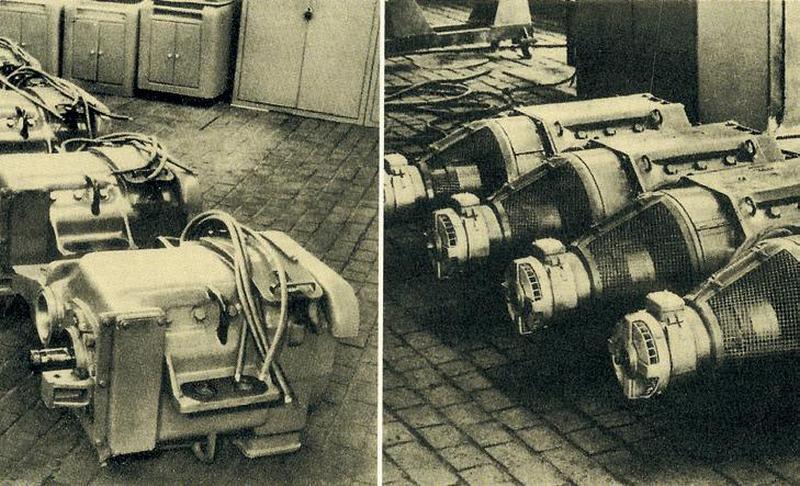
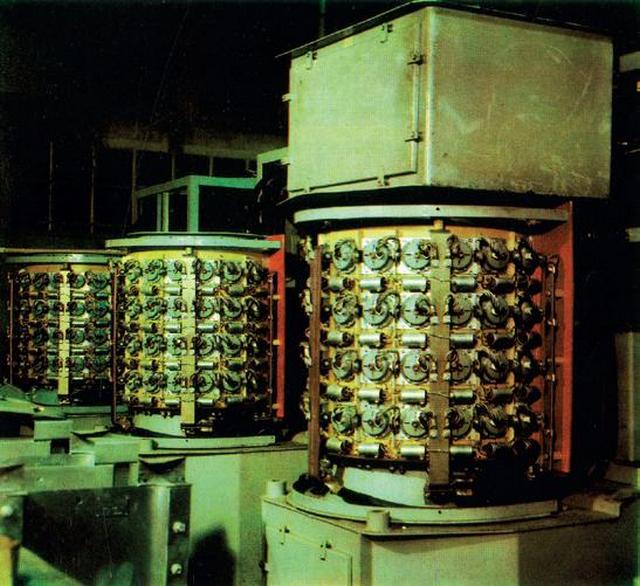
| Prema licencijskoj dokumentaciji tvrtke ASEA, tvornica Rade Konear (RK) proizvela je prvu eetiriosovinsku elektrienu diodnu lokomotivu (Bo’Bo’) za 25 kV/50 Hz te isporučila tadašnjim Jugoslavenskim željeznicama (br. 441-030). Kooperanti su bile tvornice Janko Gredelj, Zagreb; Mašinska industrija, Niš; Đuro Đaković, Slavonski Brod; Energoinvest, Sarajevo i Elektrosrbija, Beograd. RK za lokomotivu izrađuje četiri vučna motora snage 850 kW, 10 asinkronih motora za pomoćni pogon, te izvodi kompletnu električnu montažu i ispitivanje lokmomotive (v. sliku montaže diodnih ispravljaea). | According to the license documentation by the company ASEA, Rade Konear (RK) p roduced the first four-axle electric diode type locomotive (Bo’Bo’) for 25 kV/50 Hz and delivered it to former Yugoslav Railways (no. 441-030). Its subcontractors were Janko Gredelj, Zagreb; Mašinska industrija, Niš; Đuro Đaković, Slavonski Brod; Energoinvest, Sarajevo and Elektrosrbija, Belgrade. RK made four traction motors with 850 kW of power and 10 asynchronous motors for auxiliary drives for the locomotive and performed the entire electrical mounting and testing of the locomotive (see the image showing the mounting of the diode rectifiers). |
1972
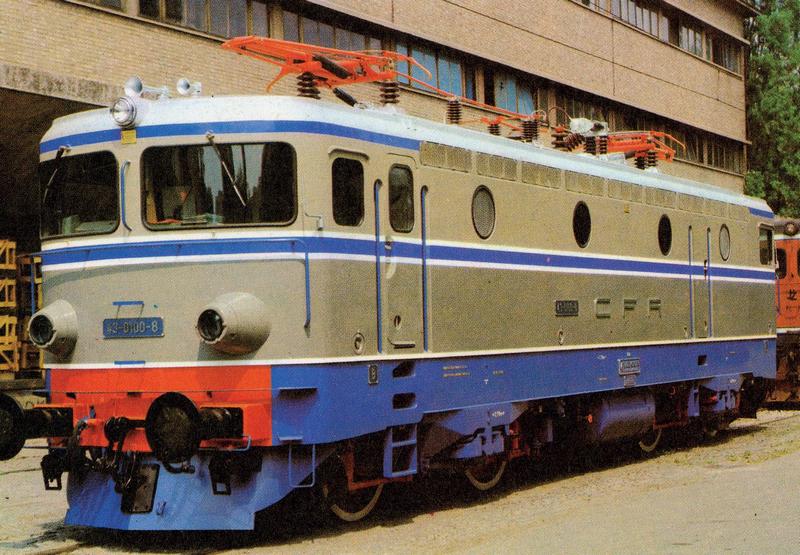
| Tvornica Rade Konear proizvela prvu od 75 ugovorene eetiriosovinske elektriene diodne lokomotive (Bo’Bo’) za CFR u Rumunjskoj. Lokomotiva se razlikuje od isporueenih za domaće tržište nizom tehniekih pojedinosti: rasvjetnim tijelima i signalnim uređajima, te dodatnoj opremi za udobnost strojovođe. Godine 1974. isporueena je 100-ta lokomotiva za Rumunjske željeznice. Do 1990. proizvedene su 333 diodne lokomotive (25 kV, 50 Hz, 3700 kW, za 120, 140 i 160 km/h); 203 za tadašnje Jugoslavenske željeznice, a 130 za Rumunjske željeznice. | Rade Konear produced the first of 75 contracted four-axle electric diode type locomotives (Bo’Bo’) for CFR in Romania. The locomotive differed from the ones delivered for the local market because of a series of technical details: lighting fixtures and signal devices, as well as additional equipment for the comfort of the driver. In 1974, they delivered the 100th locomotive for the Romanian Railways. By 1990, 333 diode type locomotives (25 kV, 50 Hz, 3400 kW, for 120, 140 and 160 km/h) were produced; 203 for former Yugoslav Railways and 130 for the Romanian Railways. |
1974
| Proizvedena je prva elektrovuena podstanica sa silicijskim diodama. Služila je za napajanje kontaktnog voda napona 3 kV i snage 2×2,2 MW. Instalirana je na pruzi Kopar – Šentilj (Slovenija) u mjestu Eret. Tvornica Rade Konear za tu podstanicu isporueila je kompletnu opremu. | The first electric traction substation with silicone diodes was produced. It was used for the supply of the contact line with 3 kV voltage and 2×2.2 MW power. It was installed on the Kopar – Šentilj railway line (Slovenia) in the village Èret. Konear delivered the entire equipment for this substation. |
1978
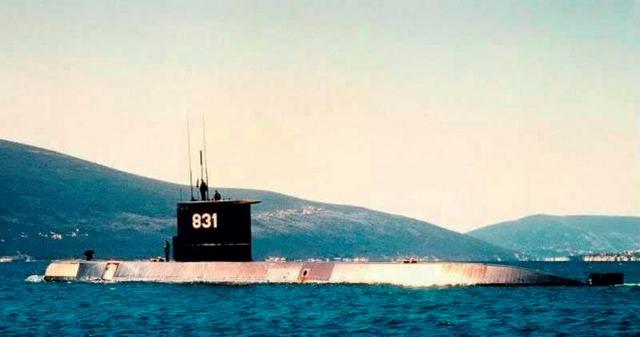
| Klasa Sava bila je klasa jugoslavenskih napadnih podmornica. Izrađivane u razdoblju od 1978. do 1982. Napravljene su dvije jedinice: P-831 Sava i P-832 Drava. Glavne osobine: dužina 55,9 m, površinska brzina 10 ev, podvodna brzina 16,5 ev, dubina zarona 300 m, broj elanova posade 35. Glavno naoružanje: šest torpednih cijevi i komplet od deset torpeda promjera 533 mm, a osim toga i mogućnost minoploganja. Poeetkom Domovinskog rata obje podmornice su odvezene u Crnu Goru gdje su 2004. povueene iz službe. Za dvije podmornice klase Sava Rade Konear je razvio i isporueio glavni elektromotorni pogon (propulzioni istosmjerni motor snage oko 1 MW s tiristorskim regulatorom brzine vrtnje) i pomoćno napajanje (dvije skupine od po tri pretvaraea snage 4 kVA/115V/400 Hz u paraleli – v. sliku, punjače pomoćnih akumulatorskih baterija, upuštače istosmjernih motora). Cjelokupnu podmornicu je razvio Brodarski institut u Zagrebu, a proizvelo Brodogradilište specijalnih objekata u Splitu. | Class Sava was a class of Yugoslav attack submarines. They were made in the period between 1978 and 1982. Two units were made: P-831 Sava and P-832 Drava. Main characteristics: length 55.9 m, surface speed 10 knots, underwater speed 16.5 knots, submergence depth 300 m, crew number 35. Main armaments: six torpedo tubes and a set of ten 533-mm diameter torpedoes, along with the possibility of mine laying. At the beginning of the Croatian War of Independence, both submarines were taken to Montenegro where they were withdrawn from service in 2004. Rade Konear developed and delivered the main electromotor propulsion (propulsion direct current motor with about 1 MW power with thyristor speed regulator) and auxiliary power supply (two sets with three power converters 4 kVA/115V/400 Hz in parallel – see figure, auxiliary accumulator battery chargers, direct current motor starters) for two Savaclass submarines. The entire submarine was developed by Brodarski Institute in Zagreb, and it was produced by the Special Vessel Shipyard in Split. |
1981
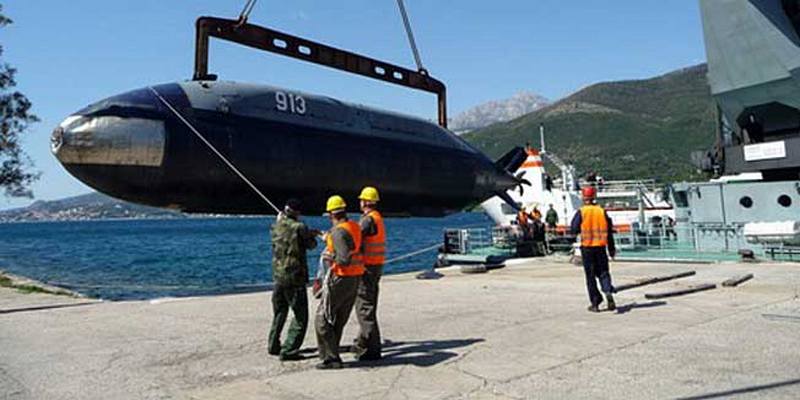
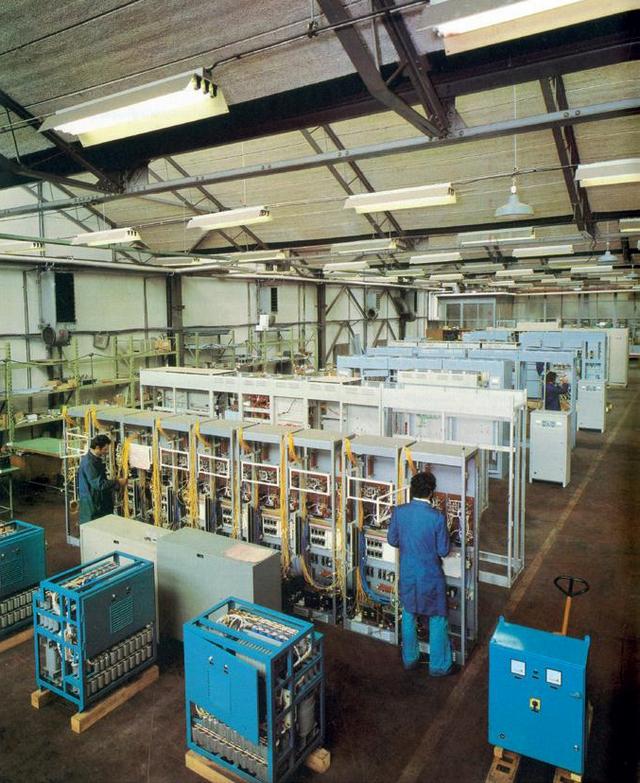
| Klasa Una bila je klasa diverzantskih podmornica. U razdoblju 1981.–1989. je izrađeno šest podmornica. Projektirane su za tajno polaganje manjih minskih polja ili dostavu diverzanata. Glavne osobine: duljina 18,8 m, površinska brzina 7 ev, podvodna brzina 8 ev, dubina zarona 120 m, broj elanova posade 4/6 deverzanta. Raspadom Jugoslavije sve podmornice su odvezene u Crnu Goru, osim P-914 Zete koja se u trenutku sukoba nalazila na remontu. Kasnije je preuređena, produžen joj je trup te je pod oznakom P-01 Velebit do 2001. plovila u sastavu Hrvatske ratne mornarice (HRM) (v. sliku). Poeetkom 2009. crnogorske vlasti su objavile da se sve podmornice povlaee iz službe. Za te podmornice Institut za elektrotehniku Rade Konear je razvio i isporueio glavni propulzioni pogon i sve pomoćne pogone. Cjelokupnu podmornicu je razvio Brodarski institut u Zagrebu, a proizvelo Brodogradilište specijalnih objekata u Splitu. | Class Una was a class of diversion submarines. Six submarines were built in the period from 1981 – 1989. They were designed for the secret laying of small mine fields or bringing diversion military personell. Main characteristics: length 18.8 m, surface speed 7 knots, underwater speed 8 knots, submergence depth 120 m, crew members 4/6. After the breakup of Yugoslavia, all submarines were taken to Montenegro, except P-914 Zeta, which was on the overhaul at the moment of conflict. She was later reconstructed, her hull was elongated and until 2001, she operated under the label P-01 Velebit within the Croatian Navy. At the beginning of 2009, the government of Montenegro proclaimed that all submarines would be withdrawn from service. The Electrical Engineering Institute Rade Konear developed and delivered the main propulsion and all auxiliary drives for those submarines. The entire submarine was developed by Brodarski Institute in Zagreb and she was produced by Special Vessels Shipyard in Split. |
1981
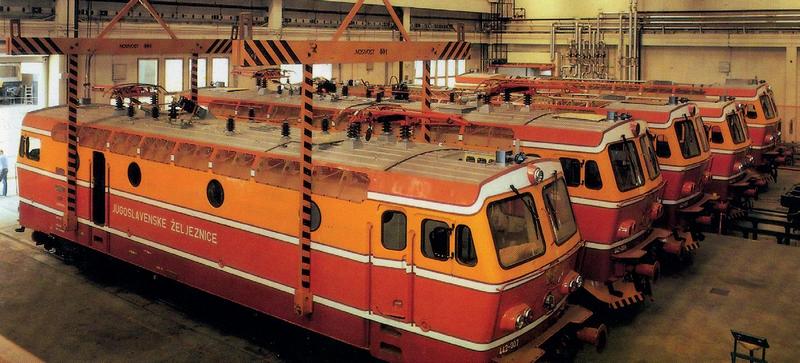
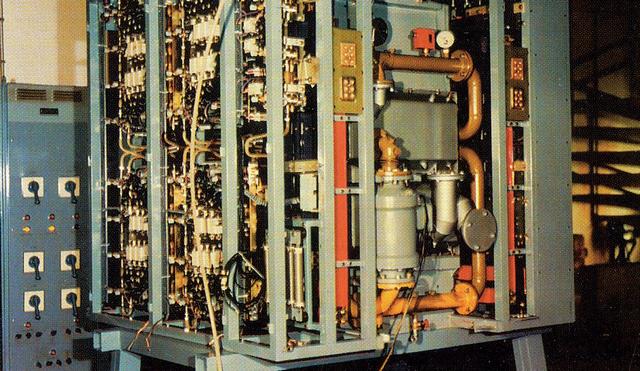
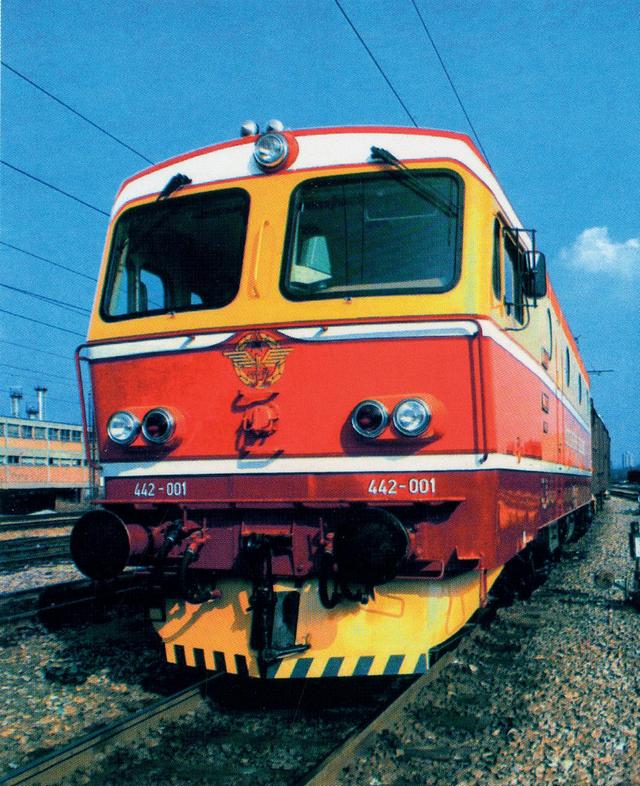
| Predstavljen prototip eetiriosovinske tiristorske lokomotive snage 4400 kW, napona 25 kV/50 Hz i brzine do 160 km/sat (br. 442-001). Lokomotiva je u cijelosti razvijena, projektirana, konstruirana i proizvedena u tvornici Rade Konear. Važno je naglasiti da je 85% opreme: vueni motori transformator, tiristorski pretvaraei, upravljaeka elektronika, sklopni aparati i mehanieki dijelovi lokomotive (okretna postolja, sanduk, pneumatska instalacija i uređaji) proizvedeno u Konearu. Vueni motori izrađeni su u novoj tehnologiji, imaju H klasu izolacije i novi način hlađenja. U jednom bloku GEMP 442 (približne izmjere: 2 m × 2 m ×2 m) je sustav od dva tiristorska ispravljaea u jednofaznom poluupravljivom mosnom spoju (880 V/1330 A) za napajanje dva vuena motora (gornja slika). U razdoblju 1985.–1990. proizvedeno je ukupno 16 tiristorskih lokomotiva; 15 lokomotiva i danas vozi, a jedna lokomotiva je uništena u Domovinskom ratu. Kasnije je niz tehničkih rješenja razvijenih za tiristorsku lokomotivu (tiristorski pretvarae za napajanje pomoćnog pogona, protuklizna zaštita, regulacija brzine vožnje i dr.) iskorištena za modernizaciju diodnih lokomotiva. | The prototype of a four-axle thyristor type locomotive with 4400 kW of power, voltage of 25 kV/50 Hz and a speed of 160 km/h (no. 442-001) was presented. The locomotive was entirely developed, designed, constructed and produced in the Rade Konear factory. It is important to emphasize that all electrical equipment: traction motor, transformer, thyristor converters, controll electronics and switching devices, was produced in Konear. Traction motors were constructed according to new technology, they have H-class insulation and a new way of cooling. In one block, GEMP 442 (approximate measures: 2mÂ × 2mÂ × 2m) is a system of two thyristor rectifiers in a singlephase half-controlled bridge connection (880 V/1330 A) for the supply of two traction motors (image above). In the period from 1985 – 1990, an overall of 16 thyristor type locomotives were produced; 15 locomotives are still in operation, and one locomotive was destroyed in the Croatian War of Independence. Later, a series of technical solutions developed for the thyristor type locomotive (thyristor converter for the supply of auxiliary drives, antiskid protection, speed regulation, etc.) were used for the modernization of diode type locomotives. |
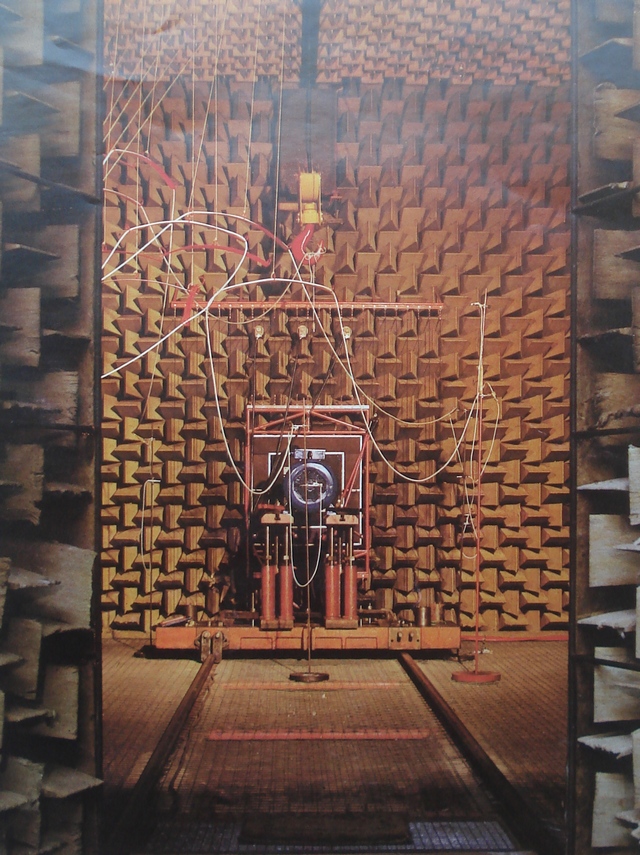
| Akustieki laboratorij (gluha komora) u Konearu, Zagreb. | Acoustic laboratory (deaf chamber) in Konear, Zagreb |
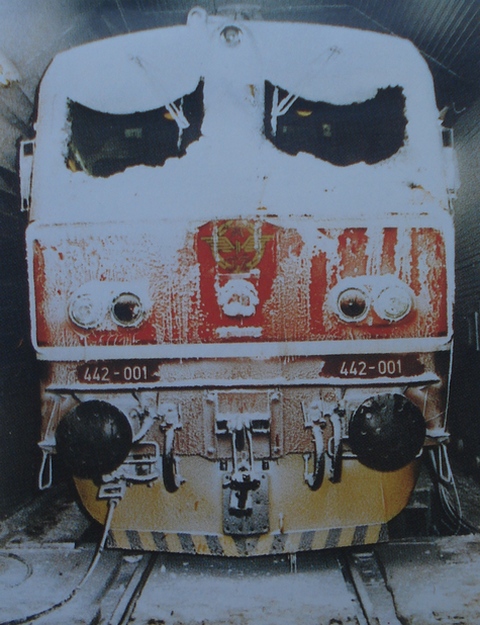
| Klimatska ispitivanja tiristorske lokomotive serije 442, snage 4,4 MW i maksimalne brzine 160 km/h (ispitivanje u ispitnoj stanici ORE, Arsenal u Beeu) | Climatic testin of thyristor locomotive 442 series, 4,4 MW power and 160 km/h maximum speed (Testign in testing station ORE, Arsenal in Vienna) |
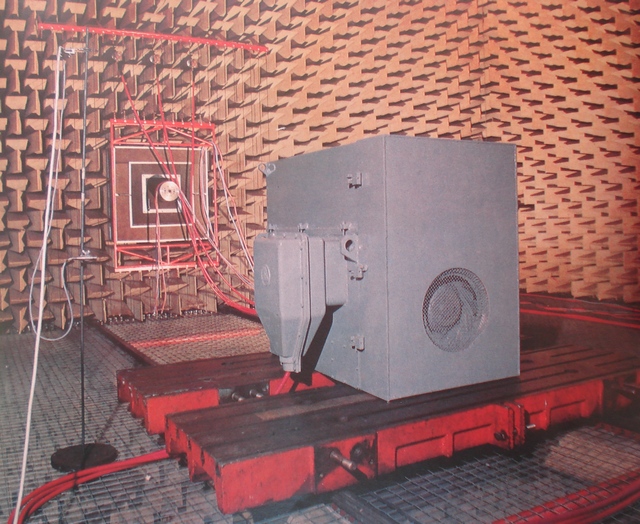
| Gluha komora u Konearu, Zagreb. | Deaf chamber in Konear, Zagreb. |
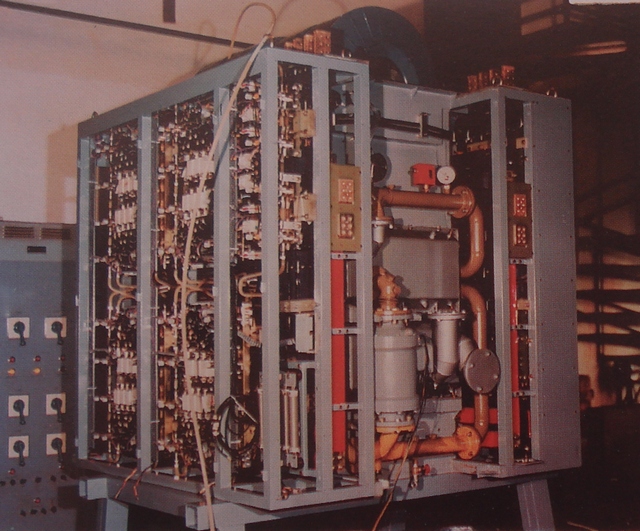
| U jednom bloku GEMP 442 (približne izmjere: 2 m × 2 m ×2 m) je sustav od dva tiristorska ispravljaea u jednofaznom poluupravljivom mosnom spoju (880 V/1330 A) za napajanje dva vuena motora. | In one block, GEMP 442 (approximate measures: 2mÂ × 2mÂ × 2m) is a system of two thyristor rectifiers in a singlephase half-controlled bridge connection (880 V/1330 A) for the supply of two traction motors |
1986
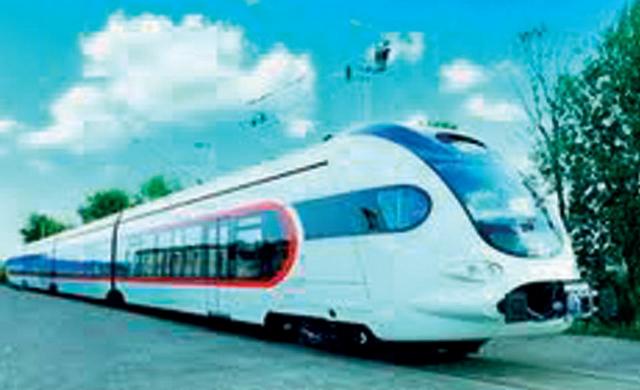
| Za (R)eljeznieko transportno poduzeće Sarajevo ((R)TP Sarajevo) tvonica Rade Konear ugovorila rekonstrukciju 25 elektromotornih vlakova proizvodnje GANZ. Prvi rekonstruirani elektromotorni vlak stavljen je u redoviti promet 1987. pod nazivom „Olimpik ekspres“. | The factory Rade Konear concluded a contract for the reconstruction of 25 GANZ production EMU for the Railway Transport Company Sarajevo ((R)TP Sarajevo). The first reconstructed EMU was put into regular operation in 1987 under the name “Olimpik Ekspres”. |
1986
| Zapoeela proizvodnja nove generacije elektrienih vozila za unutrašnji transport s tiristorskim eoperima i elektroniekim regulatorom za napajanje i regulaciju brzine vrtnje istosmjernih motora sa serijskom uzbudom (Rade Konear). | The production of a new generation of electric vehicles for internal transport with thyristor choppers and electronic regulators for the supply and speed regulation of serial-excited direct current motors (Rade Konear). |
1987
| Rekonstruiran prvi elektromotorni vlak za (R)TO Sarajevo. | The first EMU was reconstructed for (R)TP Sarajevo. |
1988
| Nakon 12 godina suradnje na tramvajskom programu, za EKD (Eehoslovaeka) isporueen 15000-ti tramvajski vueni motor (Rade Konear). | After 12 years of cooperation on the tram program, the 15000th tram traction motor (Rade Konear) was delivered for EKD (Czechoslovakia). |
1989
| Modificirana i modernizirana prva od 130 diodnih lokomotiva serije 441 i 461 za (R)TO Beograd. | The first of 130 diode type locomotives from the series 441 and 461 was modified and modernized for (R)TO Belgrade. |
1991
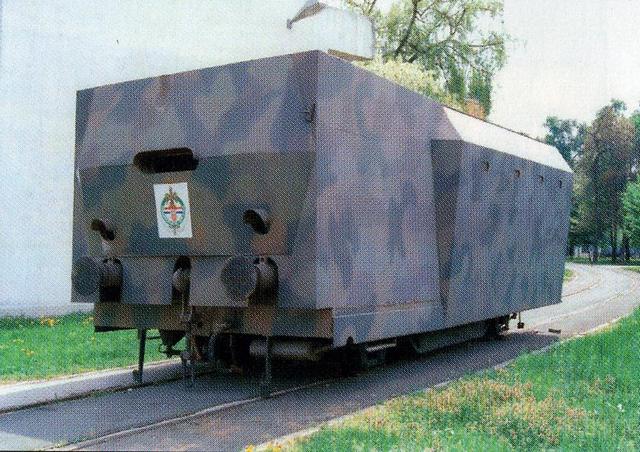
| Suoeeni s agresijom na Hrvatsku, konearevci su izradili oklopljeno traenieko vozilo za prebacivanje ljudi i opreme s jedne lokacije na drugu. | Faced with the aggression on Croatia, the people of Konear made an armored train for transferring people and equipment from one location to another. |
1993
| Modificiran i rekonstruiran u Konearu prvi od eetiri elektromotorna vlaka (H(R) serija 6111, nadimak Mađar) izgrađenih u mađarskoj tvornici GANZ MAVAG u periodu 1976.–1979. Sustav elektrienog napajanja mađarskih vlakova je 25 kV/50Hz, maksimalna brzina 120 km/h, masa 145 tona, a duljina 72,4 m. | The first of four EMU (H(R) series 6111, nickname Mađar), built in the Hungarian factory GANZ MAVAG from 1976 – 1979, was modified and reconstructed. The electric supply system of Hungarian trains is 25 kV/50 Hz, maximum speed is 120 km/h, mass is 145 tons, and the length is 72.4 m. |
1994
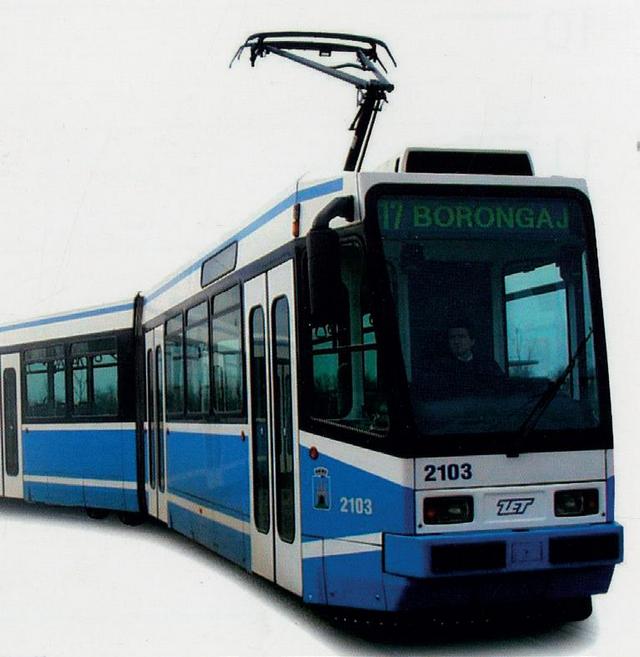
| U redovitom prometu prvi rekonstruirani i modernizirani tramvaj serije TMK 2100 (br. TMK 2101). Izveden je u tri dijela (dvozglobni), 8-osovinski s pogonskim motorima snage 60 kW koje napajaju eoperi s geitom isklopivim tiristorima (tzv. GTO-tiristori). Vozaeu je olakšano upravljanje tramvajem: klimatizirana je vozaeka kabina te ergonomski riješen upravljački pult i sjedalo vozaea. Cjelokupni projekt rekonstrukcije ostvarila je tvornica Rade Konear. Ukupno je isporueeno Zagrebaekom elektrienom tramvaju 16 tramvaja te serije. | The first reconstructed and modernized tram from the series TMK 2100 (no. TMK 2101) was put into regular operation. It was made in three sections (two-joint), 8-axle tram with propulsion motors of 60 kW supplied by choppers with gate turn off thyristors (so called GTO-thyristors). Operating the tram is facilitated: air-conditioned driver’s cabin and ergonomic control console and driver’s seat. The overall reconstruction project was realized by Konear. There were 16 trams of this series delivered to Zagrebaeki elektrieni tramvaj. |
1995
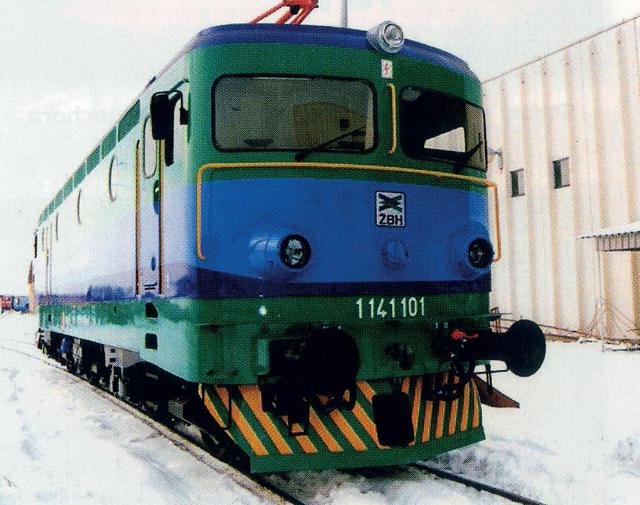
| Završen generalni popravak na prvoj od tri elektriene lokomotive za (R)eljeznice Federacije BiH. Tek dovršena lokomotiva rastavljena je i specijalnim vozilima otpremljena do Zenice gdje je ponovno sastavljena i puštena u eksploataciju. (Konear) | The overhaul of the first of three electric locomotives for the Railways of the Federation of Bosnia and Herzegovina was completed. The locomotive that had just been finished was disassembled and delivered by special vehicles to Zenica, where it was reassembled and put into operation (Konear). |
1996
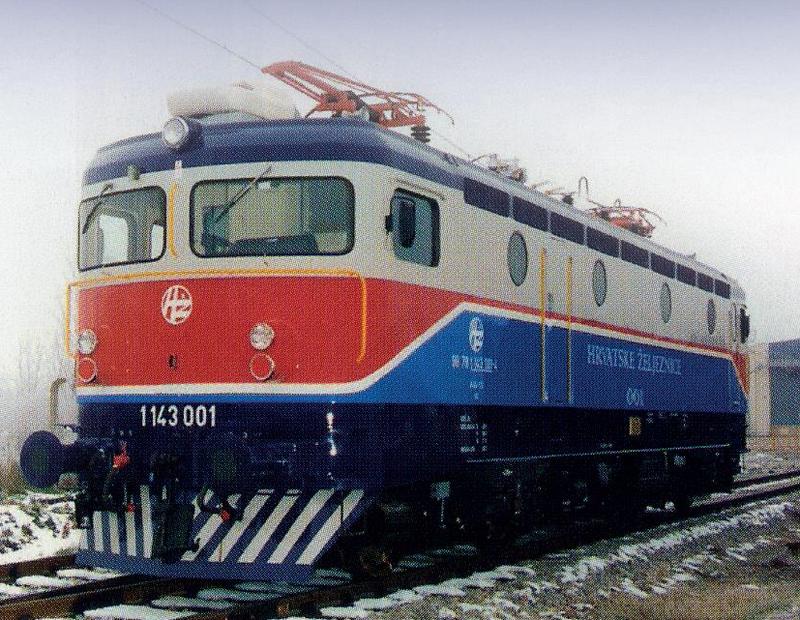
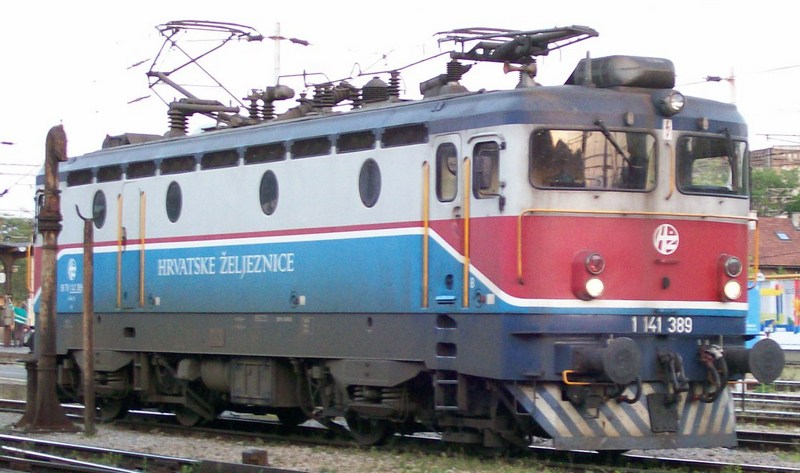
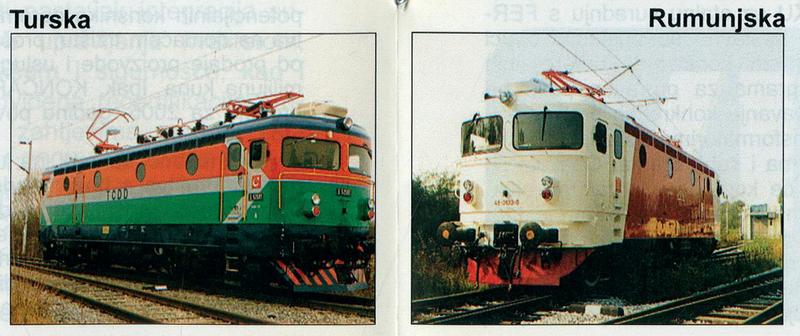
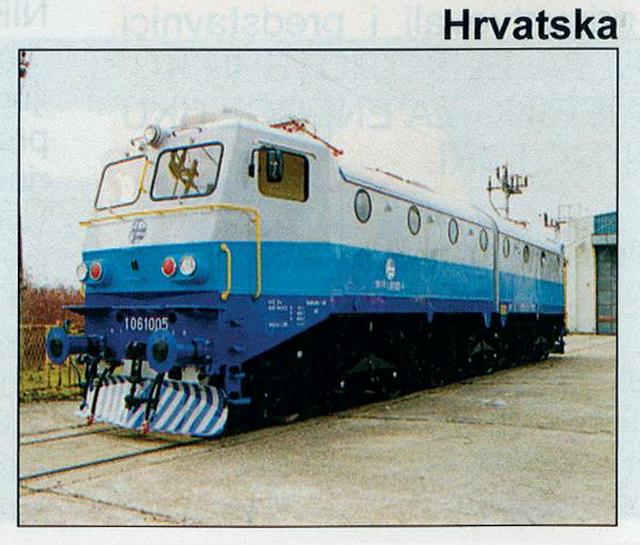
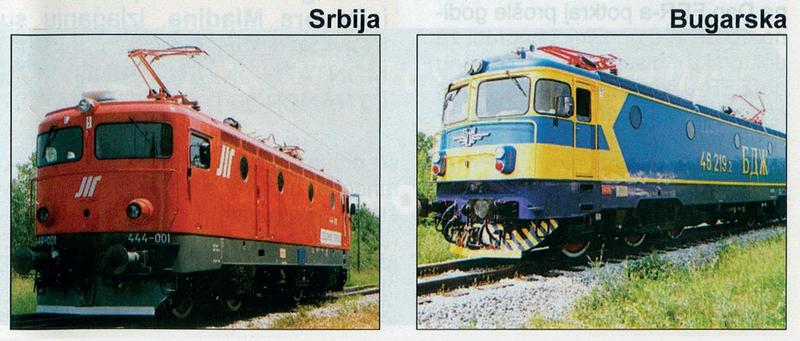
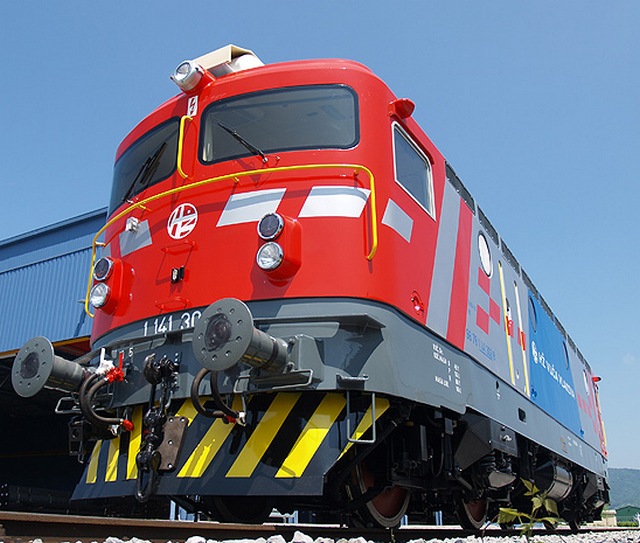
| Završen Konearev projekt modernizacije (ugradnja elektrodinamieke koenice, opremanje s elektroniekim automatskim sustavom za nadzor brzine i dr.) i pretvorbe eetveroosovinskih elektrienih diodnih lokomotiva (Bo’Bo’) u tiristorske (omogućena kontinuirana regulacija brzine vrtnje). Hrvatskim željeznicama isporučena prva od 26 tiristoriziranih lokomotiva (serije H(R) 1141). Zatim su uslijedile isporuke moderniziranih i tiristoriziranih lokomotiva: za (R)eljeznice Federacije BiH, za Turske željeznice, za Bugarske državne željeznice, za Makedonske željeznice, za (R)eljeznieko transportno poduzeće u Beogradu, za Rumunjske željeznice. | Konear completed its project of modernization (installment of electrodynamic brakes, equipping with electronic automatic system for speed control, etc.) and transforming of four-axle electric diode type locomotives (Bo’Bo’) into thyristor type locomotives (enabling a continuous speed regulation). A total of 26 thyristorised locomotives was delivered to Croatian Railways (H(R) 1141 series). This was followed by deliveries of modernized and thyristorised locomotives: for the Railways of the Federation of Bosnia and Herzegovina, for Turkish State Railways, for Bulgarian State Railways, for Macedonian Railways, for the Railway Transport Company in Belgrade, for Romanian Railways. |
1997
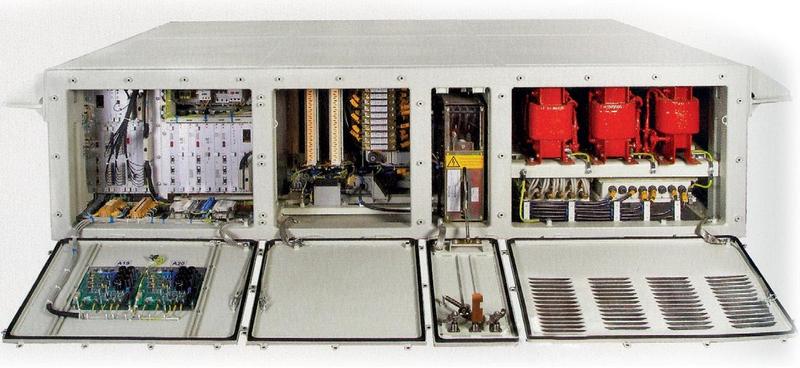
| U konearevom Institutu za elektrotehniku razvijen prototip eetverosistemskog statiekog pretvaraea (VIS-50) za napajanje trošila u klimatiziranim putniekim vagonima. Pretvarae je izveden u novoj tehnologiji s IGBT tranzistorima i upravljan je mikroprocesorom. Do kraja 2004. isporueeno je H(R)-u 38 pretvaraea. | Konear Electrical Engineering Institute developed a prototype of a four-system static converter (VIS-50) for the supply of energy consumers in air-conditioned passenger cars. The converter was made by means of a new technology with IGBT transistors and was managed by a microprocessor. Until the end of 2004, 38 converters were delivered to Croatian Railways. |
1999
| Završen Končarev projekt modernizacije i pretvorbe šesteroosovinskih električnih diodnih lokomotiva (Bo’Bo’) u tiristorske. | The Konear project of modernization and transformation of six-axle electric diode type locomotives (Bo’Bo’) into thyristor type locomotives for Bulgarian State Railwayswas completed. |
2005
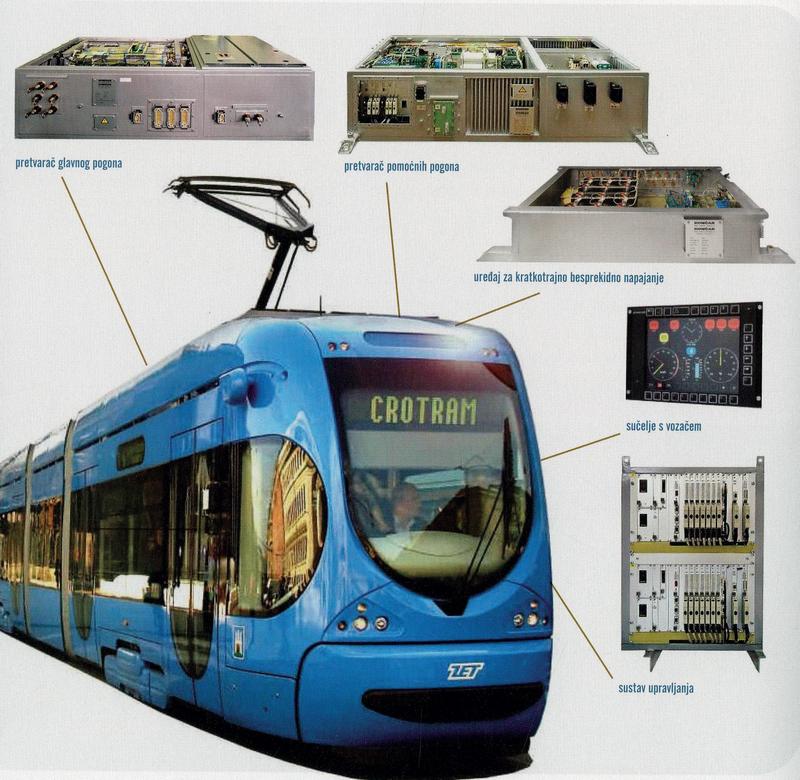
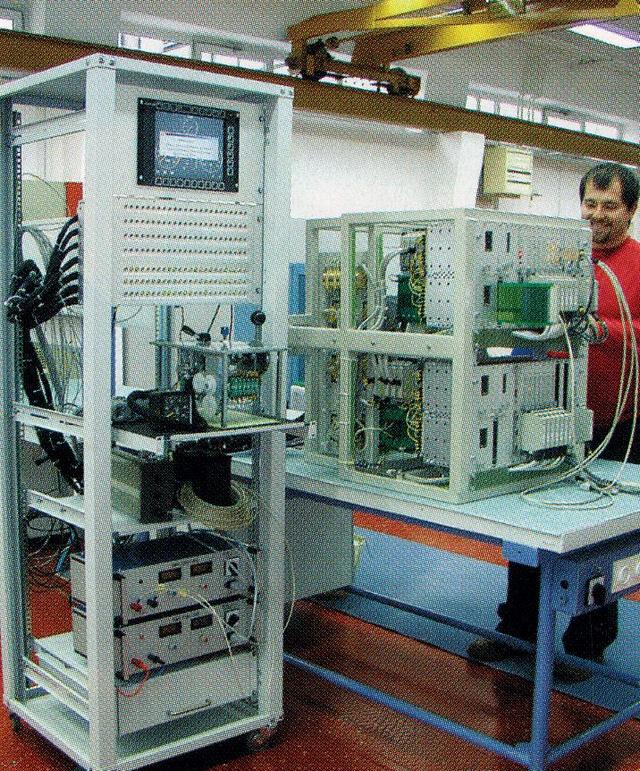
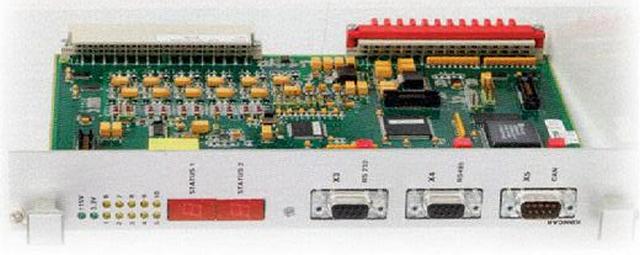
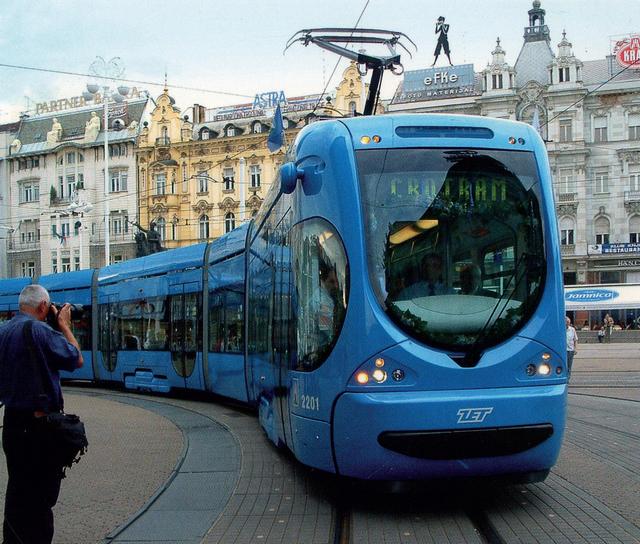
| Konzorcij CROTRAM (Đuro Đaković, Konear, T(R)V Gredelj) predstavio niskopodni tramvaj serije TMK 2200 (br. TMK 2001). Izrađen je za nazivni istosmjerni napon od 600 V i za kolosjek širine 1 m. Duljina tramvaja je 32 m, širina 2,3 m i visina 3,4 m. Pod tramvaja na ulazu je na visini 30 cm od ceste. Najveća brzina je 70 km/h. Konear je razvio raeunalne sustave (v. sliku), elektronieke i energetske pretvaraee, vuene motore, postolja te obavio završnu montažu. TŽV Gredelj je razvio i izradio sanduk. Do 2010. isporueeno je 140 kompozicija tramvaja za grad Zagreb. | The consortium CROTRAM (Đuro Đaković, Konear, T(R)V Gredelj) presented the TMK 2200 series (TMK nr. 2001) low-floor tram. It was made for nominal direct current voltage of 600 V and a 1-m wide gauge. The tram length was 32 m, width 2.3 m and height 3.4 m. The tram floor at the entrance was 30 cm above road level. The highest speed was 70 km/h. Konear developed computer systems (see image), electronic and power converters, traction motors, bases and it performed all final vehicle mountings. T(R)V Gredelj developed and produced body sections. By May 2010, a total of 140 tram compositions were delivered for the city of Zagreb. |
Please, go to the next page below.
From 2007 to 2014, links and videos
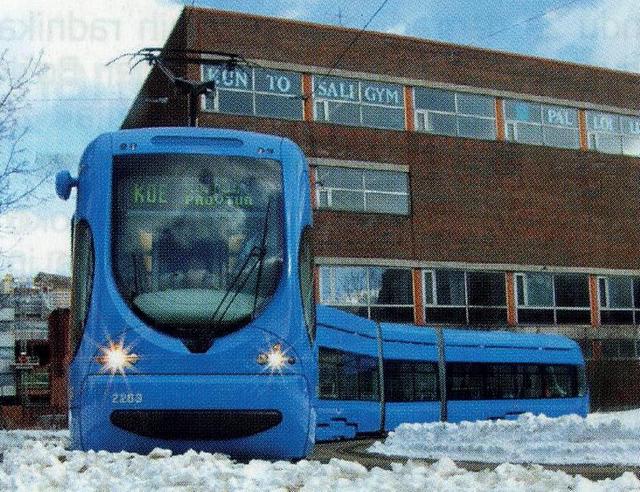
| Eksploatacijska ispitivanje niskopodnog tramvaja TMK 2263 u Finskoj, u uvjetima rada ovog klimatskog podrueja. | Exploitation testing of the TMK 2263 low-floor tram in Finland in local climate conditions. |
2008
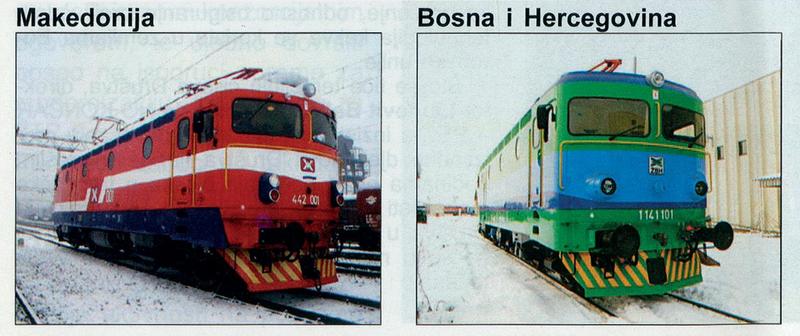
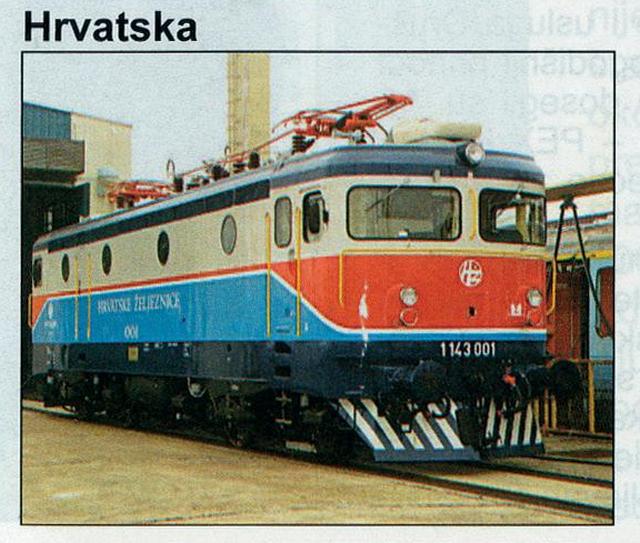
| Do 2008. godine, modernizirane i tiristorizirane su 124 lokomotive, a još 8 lokomotiva do 2012. godine. | A total of 124 locomotives were thyristorised by 2008 and another 8 locomotives by 2012. |
2009
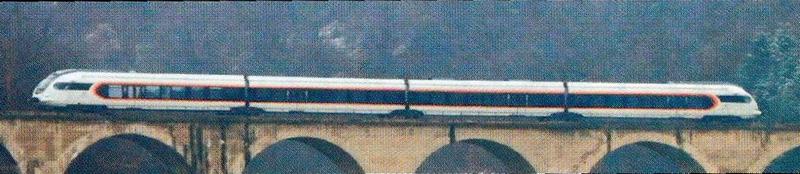
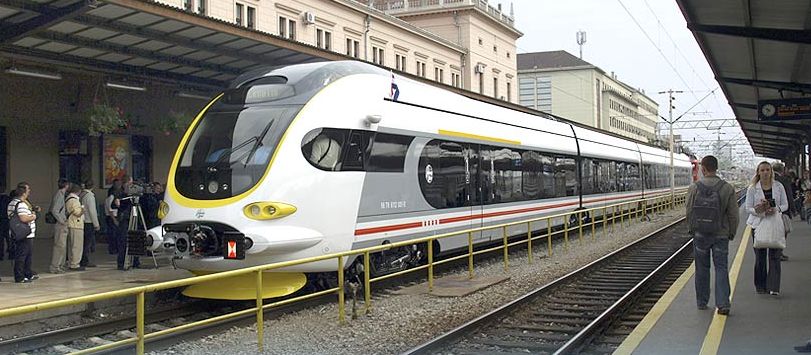
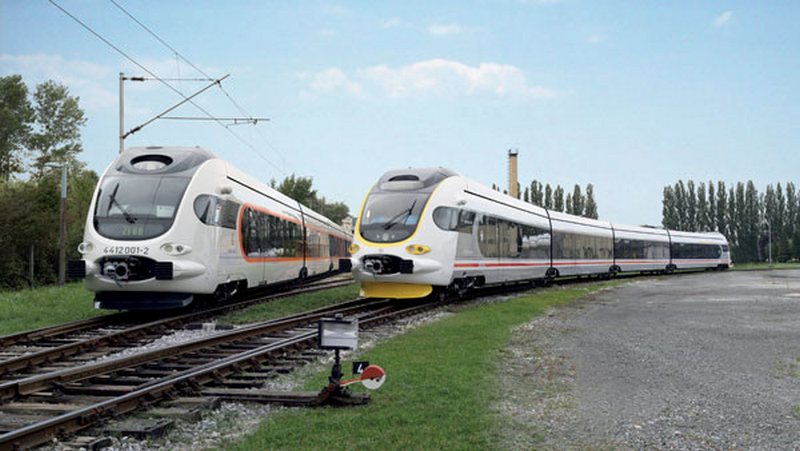
| Prototip niskopodnog vlaka isporueen za (R)eljeznicu Federacije Bosne i Hecegovine ((R)FBH) za potrebe regionalnog putniekog prometa. Duljina mu je bila 75 m, s najvećom brzinom od 160 km/h, a mogao je povesti 500 putnika. Putnieki prostor je jedinstvena cjelina duž cijelog vlaka, bez pregrada i stepenica, a visina poda optimalna je za perone visine 550 mm. Vlak ima 8 vrata za brzu izmjenu putnika te klimatiziran putnieki prostor i vozaeke kabine. Sanduk je eetverodijelna zavarena eeliena konstrukcija povezana zglobovima. Na konstrukciju se lijepe oplate, izvedene iz aluminijskih sendviea, te prozori. Sva postolja imaju sustav zraenog ovjesa, dva krajnja okretna postolja su pogonska, a tri slobodna postolja su tipa Jacobs. |
A prototype of the low-floor EMU was delivered to the Railways of the Federation of Bosnia and Herzegovina ((R)FBH) for the needs of regional railway passenger transport. It was 75 m long, with the maximum speed of 160 km/h and it took up to 500 passengers. The passenger area is a unique space throughout the train, without compartments and stairs, and the height of the floor is optimal for 550 mm high platforms. The train has 8 doors for a fast exchange of passengers, as well as an air-conditioned passenger area and driver’s cabin. The body is a four-section welded steel construction connected with joints. Side plates, made of aluminum sandwiches and windows are glued to the construction. The two end bogies are powered, and the three middle ones are trailer bogies of Jacobs type. |
2009
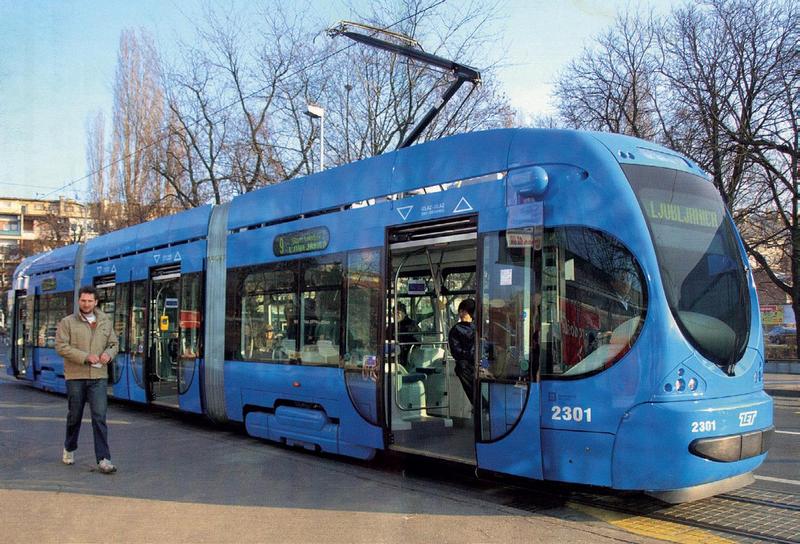
| Isporueen prvi niskopodni tramvaj podserije TMK 2200-K za Zagrebaeki elektrieni tramvaj. Ima tri modula, pa je u odnosu na tramvaje serije TMK 2200 kraći za 11,26 m. Može primiti 120 putnika. Sve ostale karakteristike tramvaja su identiene karakteristikama tramvaja serije TMK 2200. | The first low-floor tram from the subseries TMK 2200-K was delivered for the Zagrebaeki elektrieni tramvaj. It has three modules, so in relation to the TMK 2200 series trams, it is shorter by 11.26 m. It can take up to 120 passengers. All other characteristics of the tram are identical to the characteristics of the TMK 2200 series tram. |
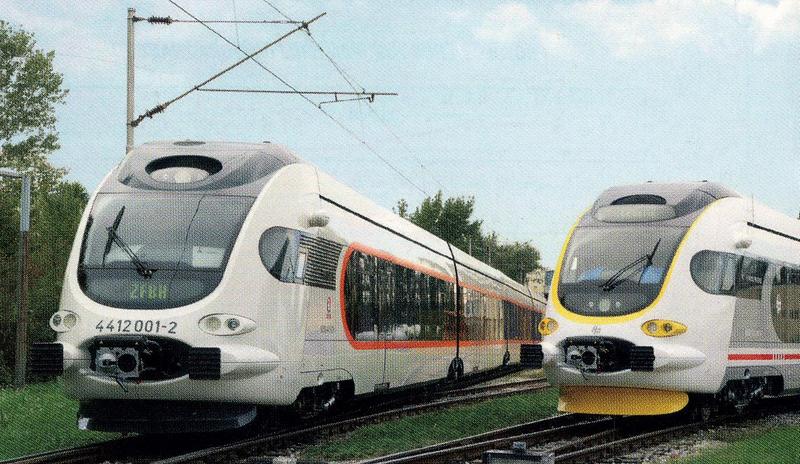
| Trofazni asinkroni vueni motori, napajani iz elektroniekih IGBT pretvaraea (v. sliku pretvaraea glavnog i pomoćnog pogona) omogućuju visoka ubrzanja u pokretanju (> 1 m/s2) i vožnju maksimalnom brzinom od 160 km/h. Vuena sila pri pokretanju 200 kN, a trajna snaga na kotaeima je 2000 kW. Sustav upravljanja i dijagnostike VCU je mikroprocesorski sustav, povezan s podsustavima vlaka modernim komunikacijskim protokolima koji omogućuje spajanje do tri vlaka u jednu kompoziciju. | Three-phase asynchronous traction motors, supplied by electronic IGBT converters (see the image of main and auxiliary drive converter), enable fast acceleration in movement (>1 m/s2) and driving at the maximum speeds of 160 km/h. The starting traction force is 200 kN and continuous power at the wheels is 2000 kW. The control and diagnostics system (VCU) is a microprocessor system, connected with train subsystems through modern communication protocols, which enables the connection of three trains in a single entity via automatic couplings. |
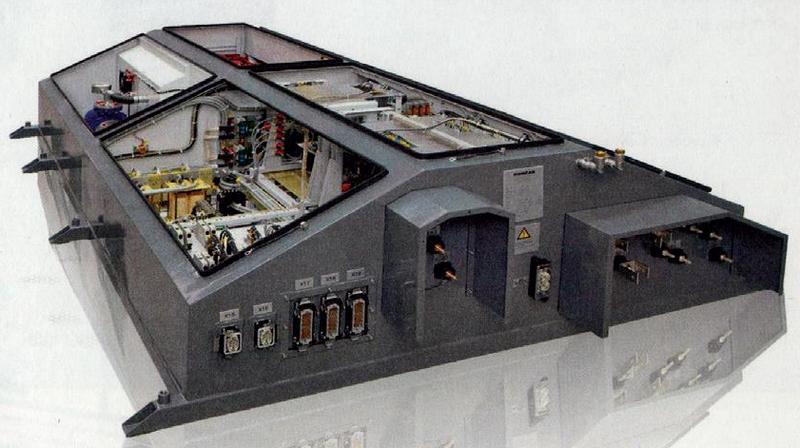
| Ovo rješenje predviđeno je, uz manje prilagodbe, i za gradsko-prigradski promet. U vlak je ugrađena najsuvremenija oprema, razvijena, projektirana i proizvedena u Konearu (sustavi upravljanja i komunikacije, pretvaraei, postolja, sanduk) te pojedini dijelovi domaćih kooperanata, tako da udio domaće proizvodnje prekoraeuje 70 %. Promotivna vožnja bila je 2012. na relaciji Sarajevo – Mostar – Sarajevo. | This solution, with minor adjustments, was intended also for urban and uburban transport. The most modern equipment, developed, designed and produced in Konear (control system, converters, transformers, traction motors, bogies, etc) and certain parts made by local subcontractors were built into the train, therefore the share of local production exceeded 70%. EMU is in regular traffic from June 2012th on the relation Sarajevo – Mostar – Sarajevo. |
2011
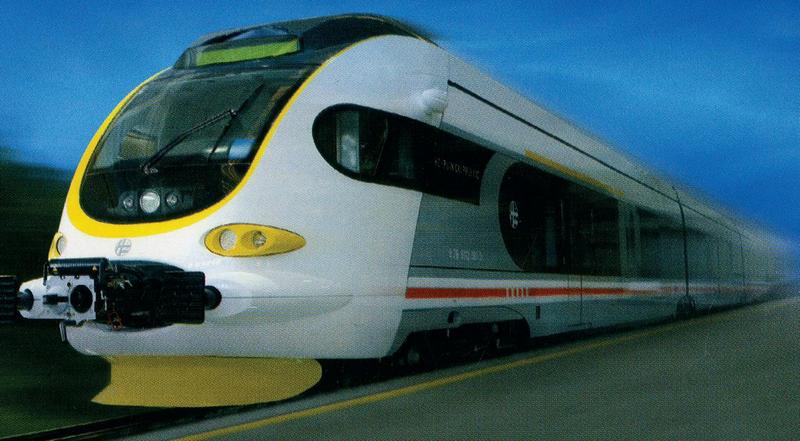
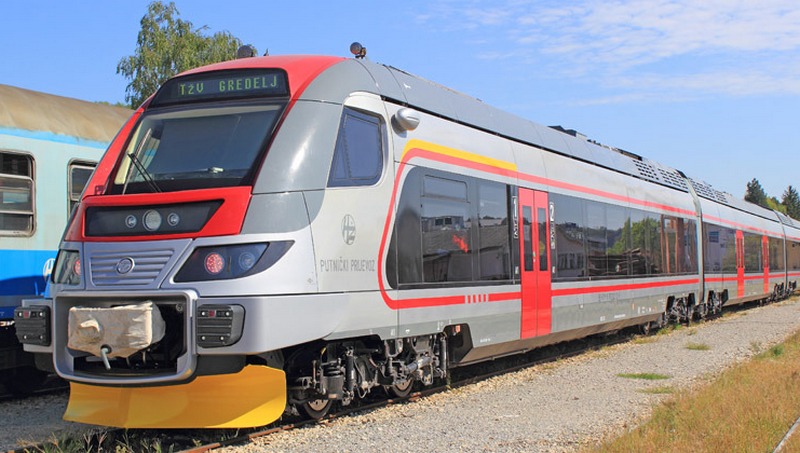
| Isporueen Hrvatskim željeznica prvi niskopodni elektromotorni vlak (H(R) serija 6112) za regionalni promet proizveden u konzorciju tvrtki Konear i T(R)V Gredelj. Prije narudžbe Hrvatskih željeznica, već je proizveden vlak istog tipa za (R)eljeznicu Federacije Bosne i Hercegovine. Od 2011. dnevno prometuje na liniji Zagreb-Vinkovci. Proizveo ga je Konèar – Elektrièna vozila u suradnji s T(R)V Gredelj. | The first low-floor EMU (H(R) series 6112) was delivered to Croatian Railways for regional transport. The technical solution is based on a train of the same type that had already been produced for the Railways of the Federation of Bosnia and Herzegovina. It has been in regular daily operation on the line Zagreb – Vinkovci since 2011. It was produced by Konèar – Electric Vehicles in cooperation with T(R)V Gredelj. |
2011
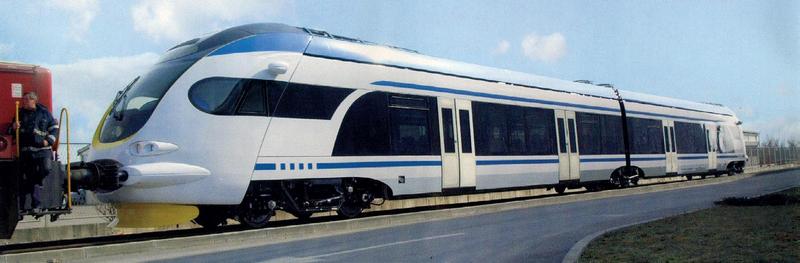
| Isporueen niskopodni ‘kratki’ elektromotorni vlak za gradsko-prigradski promet. Proiyveden u Konèar –Elektrièna vozila, u suradnji s T(R)V-Gredelj. | The first low-floor EMUwas delivered to Croatian Railways for urban and suburban transport. It was also produced by Konèar – Electric Vehicles in cooperation with T(R)V Gredelj. |
2012
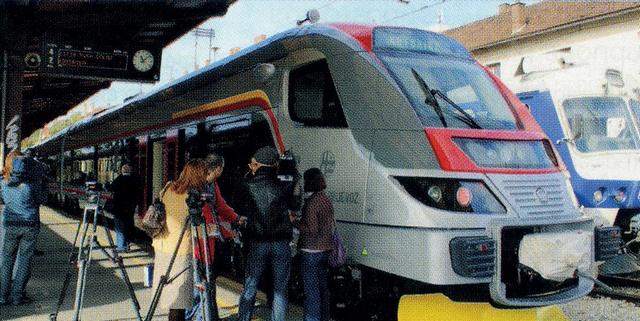
| Isporueen Hrvatskim željeznicama prototip dizel-elektrienog motornog vlaka za regionalni promet. Prometuje na relaciji Zagreb – Kotoriba – Zagreb. Predviđen je za putovanja prosjeene duljine 150 km s eestim zaustavljanjima. Ima 209 sjedećih mjesta, a ukupno može primiti 410 putnika. Proizveo ga je T®V Gredelj u suradnji s poduzećem Konèar – Elektrièna vozila. | A prototype of a diesel-electric multiple unit (DMU) was delivered to Croatian Railways for regional transport. It operates on the relation Zagreb – Kotoriba – Zagreb. It was intended for the average trip length of 150 km with frequent stops. It has 209 seating places and it can take a total of 410 passengers. It was produced by T(R)V Gredelj in cooperation with Konèar – Electric Vehicles. |
LINKS
    Â
    Â
    Â
    Â
    Â
    Â
    Â
    Â
    Â
    Â
    Â
    Â
    Â
    Â
    Â
    Â
    Â
    Â
Đuro Đaković, www.duro-dakovic.com
    Â
    Â
    Â
    Â
We express our deep gratitude to Professor Zvonko Benčić and dr. Ivan Bahun of the University of Zagreb, Faculty of Electrical Engineering and Computing, for sending us the text and photos. This presentation is based on “EDPE 2013 – 17th International Conference on Electrical Drives and Power Electronics, Dubrovnik, October 2-4, 2013, Croatia”, published by Kiklos d.o.o., Jurjevska 20, 10000 Zagreb, Croatia. Contact information: e-mail: kiklos.hr@hotmail.com .
               Â
    Â
    Â
Formated for CROWN by Darko Žubrinić
Distributed by www.Croatia.org . This message is intended for Croatian Associations/Institutions and their Friends in Croatia and in the World. The opinions/articles expressed on this list do not reflect personal opinions of the moderator. If the reader of this message is not the intended recipient, please delete or destroy all copies of this communication and please, let us know!
    Â
Â


