
Mirogoj cemetery in Zagreb, part 1
Crkva Krista Kralja (Church of Christ the King) at the main entrance to Mirogoj
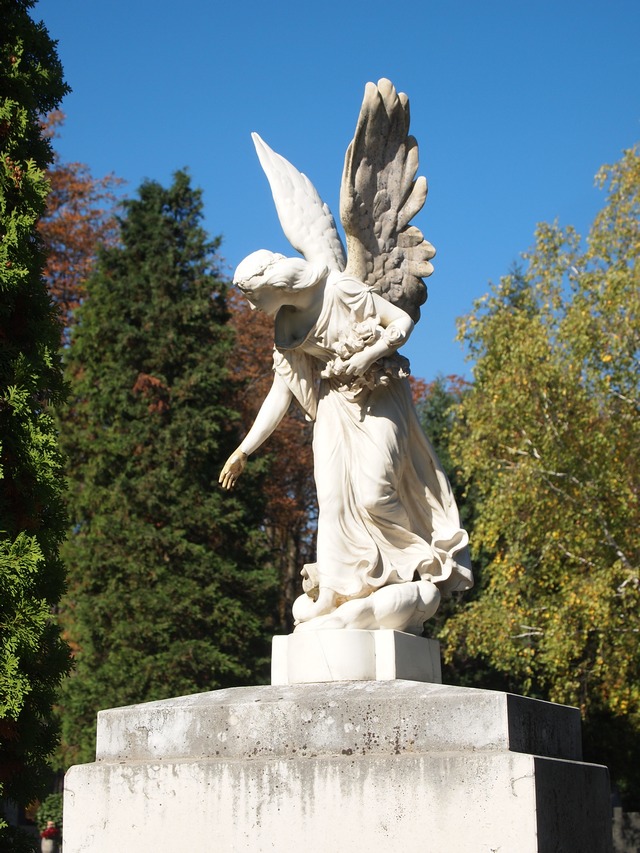
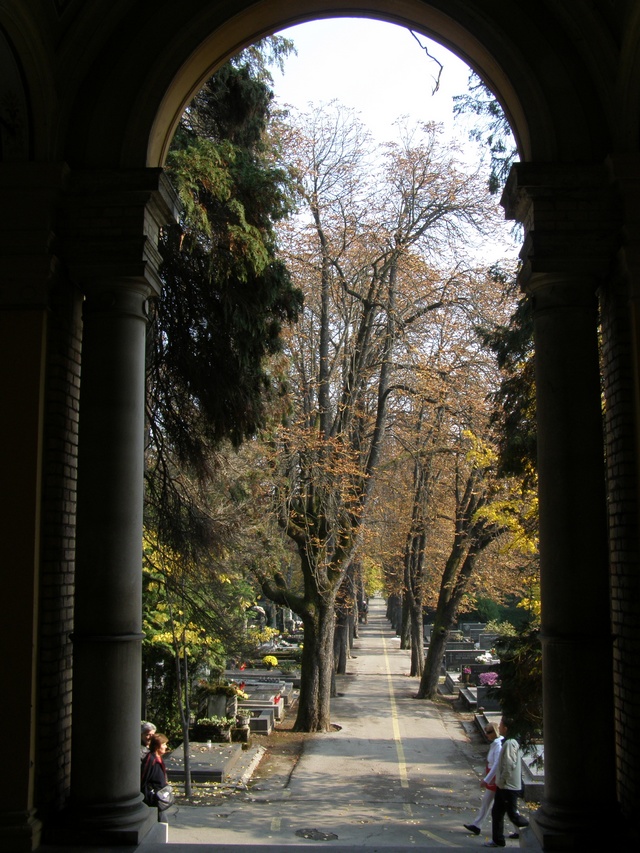
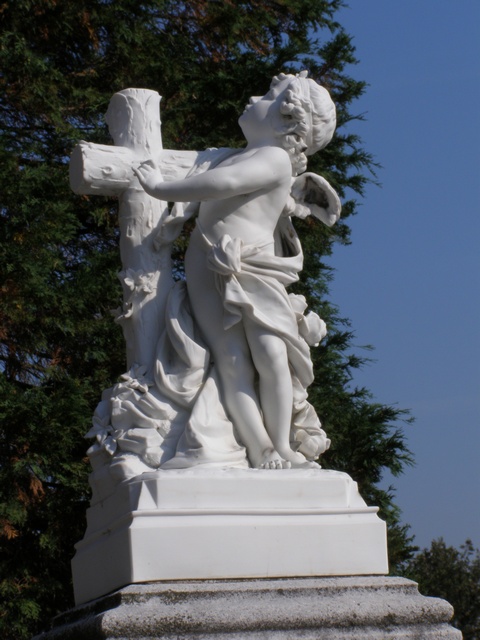
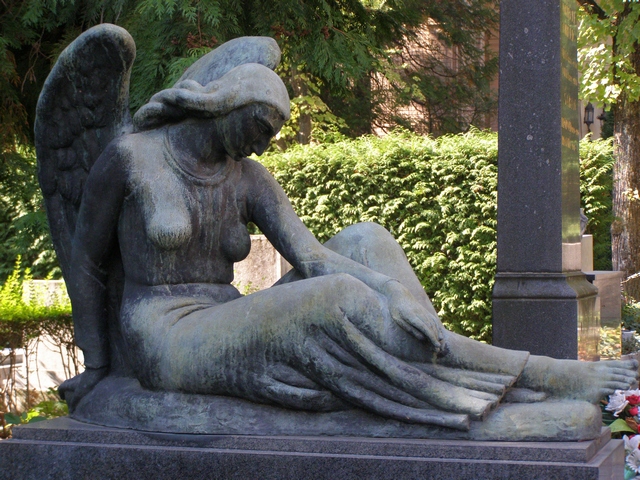
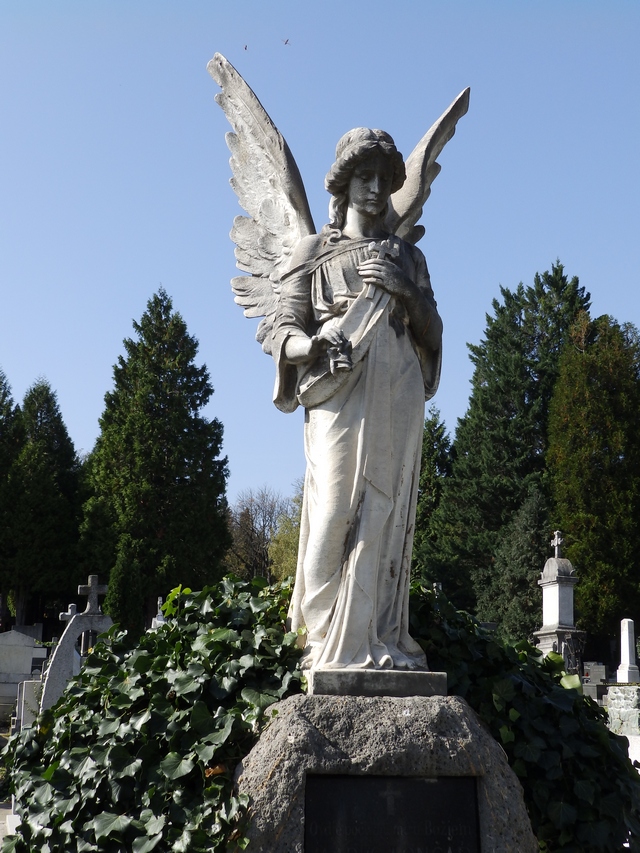
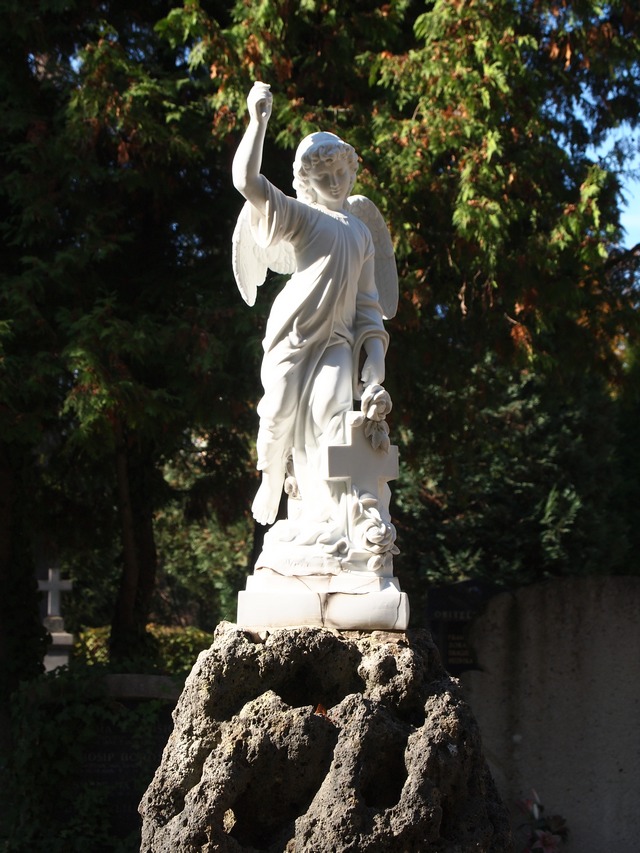
| Summary. Mirogoj is one of the most beautiful city cemeteries in Europe. It has been designed by Austrian architect Herman Bollé, starting from 1879 to 1929 when it was completed. Many famous Croatians are burried there. Furthermore, with its peaceful atmosphere and numerous high quality works of art, it is a nice place for rest and meditation. All the photos have been taken by Mr. Nikola Piasevoli from Zagreb. With this presentation we wish all the readers of the CROWN and their families a happy Easter. |
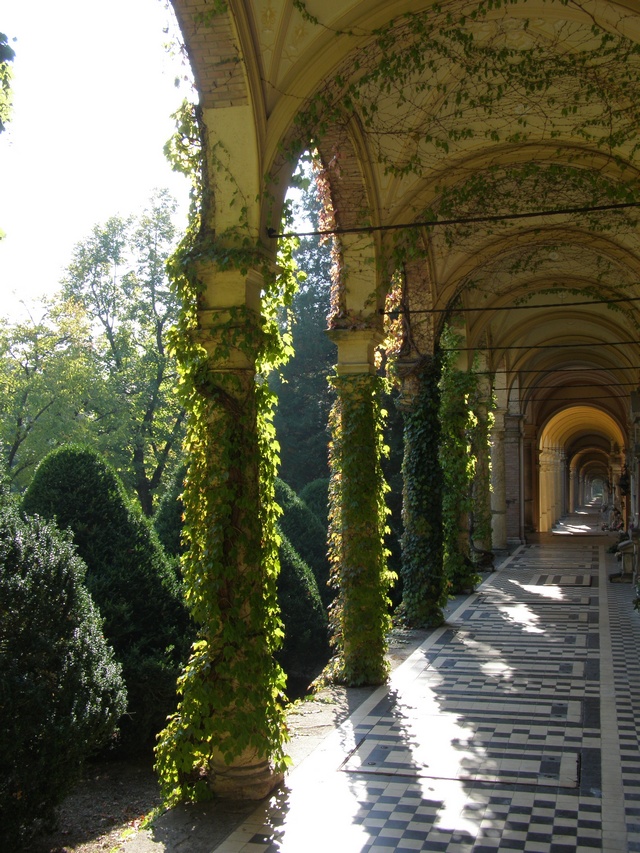
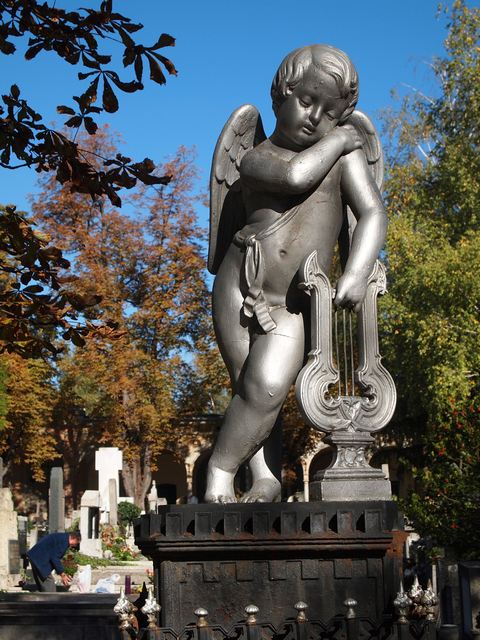
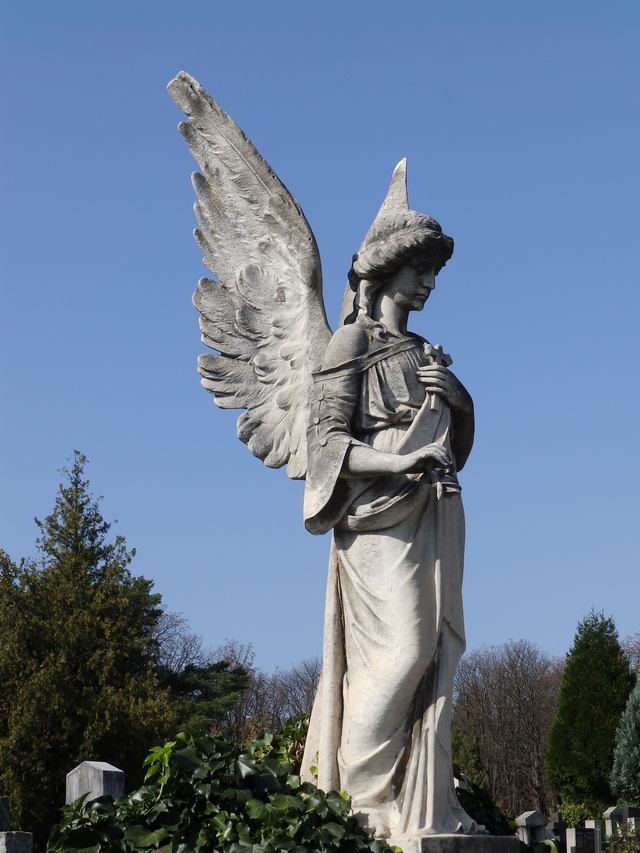
| Cemeteries are not only the setting of a horror movie, but can actually be a tourist attraction. And by tourists, we don’t necessarily mean of gothic-rock fans. By all means, if you are interested in history, architecture or nice scenery, Mirogoj is a good place to go. Especially if you belong to that “I-don’t-mind-visiting-a-cemetery” group of tourists. What Pere Lachaise is to Paris, Mirogoj is to Zagreb. A main cemetery where many important citizens lie in their eternal peace, together with untold hundreds of common folk from Zagreb. But Mirogoj is more then that. Its arcades, pavilions and tombs are like monuments to architecture, and make it an open-air art gallery. Its natural beauty also stays in the memory, as well as the history whispering from every corner of its huge stone walls. Source www.likecroatia.com |

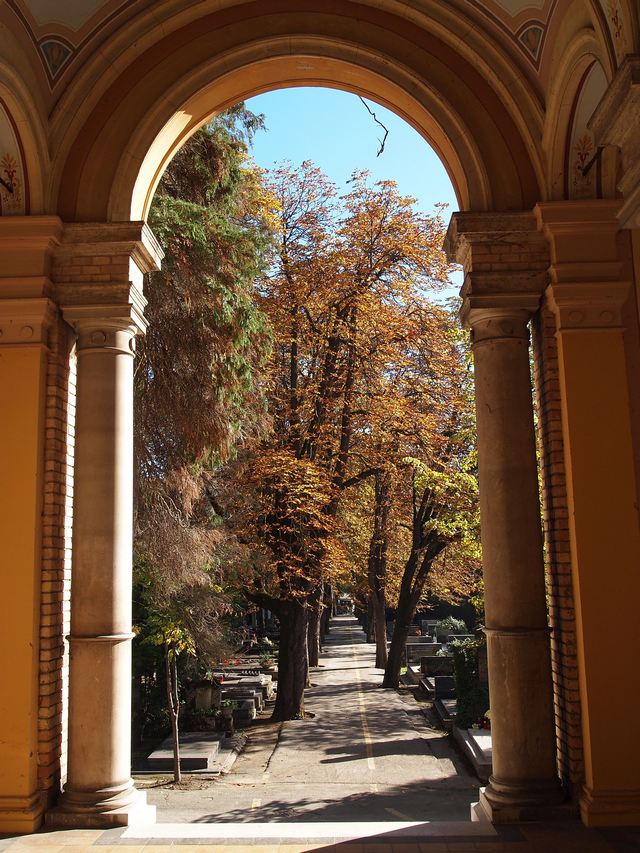
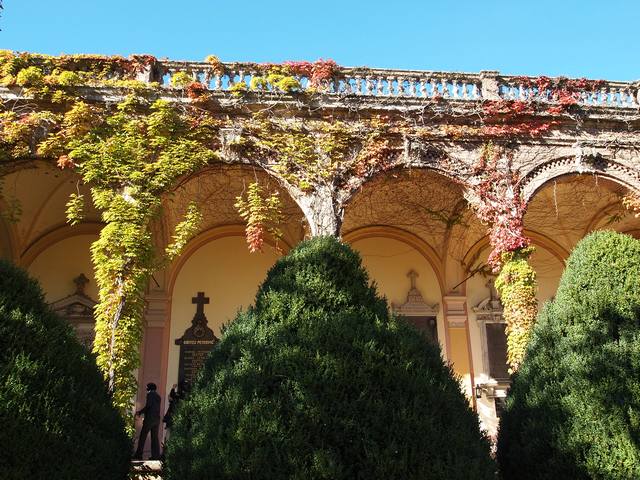
| The task of designing the Mirogoj cemetery was given to Austrian architect Hermann Bollé. He opted to surround the actual graves with arcades and pavilions. He also imagined Mirogoj’s ground plan as a reflection of 19th century Zagreb downtown, creating a “Town of the Dead”. This sounded like a good idea, and work began in 1879. Five years later, Bollé was asked to design a morgue for Mirogoj. Two decades after that, he had to lay plans for constructing the chapel of Christ the King, the very heart of the entire cemetery. Bollé’s Mirogoj was finished in 1929, as the last of his ideas left the drawing board and became architectural reality. Its construction took half of the century to finish. That is not a small wonder, as its very entrance, interwoven with climbing plants, looks like a citadel welcoming those who enter. If you wish to see Mirogoj in its full glory, visit around All Saints’ Day (1st November). This is because people in Zagreb visit their family graves on that date, decorating them with flowers and candles. Source www.likecroatia.com |
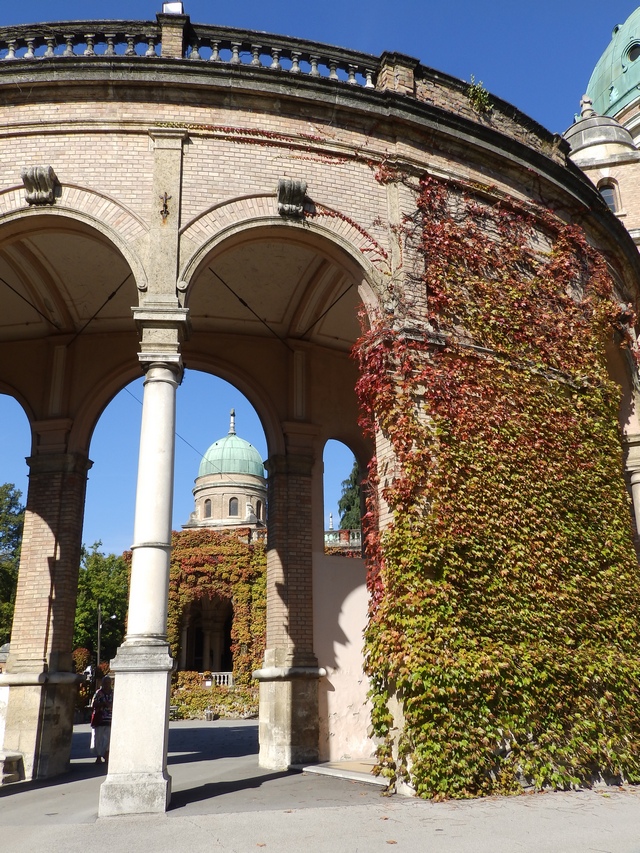
| Hermann Bollé After attending a vocational school where he studied civil engineering, he worked in the architectural studios of Heinrich Wiethase, where he was involved in projects for churches and other religious buildings. Beginning in 1872, he studied at the Academy of Fine Arts Vienna while working in the offices of well-known cathedral architect Friedrich von Schmidt. During 1875-76, he lived in Italy where he met Bishop Josip Juraj Strossmayer and the painter Izidor Kršnjavi. This meeting led him to consider Croatia as a place to establish his practice. In 1876, he went to Đakovo, where he joined Friedrich von Schmidt to complete construction of the Cathedral of St.Peter and St.Paul, begun by architect Carl Roesner, who had died in 1869. That same year, he completed the restoration of St.Mark’s Church in Zagreb, where he settled permanently in 1878. He restored and built many structures in a variety of styles, including the Museum of Arts and Crafts in Zagreb, the Zagreb Cathedral, the Mirogoj Cemetery and the Greek Catholic Cathedral of the Holy Trinity in Križevci. He eventually gained great influence over the general city planning process and layout of Zagreb. Source en.wikipedia.org Many thanks to Mrs. Renata Petak, Zagreb, for her information about this article. |
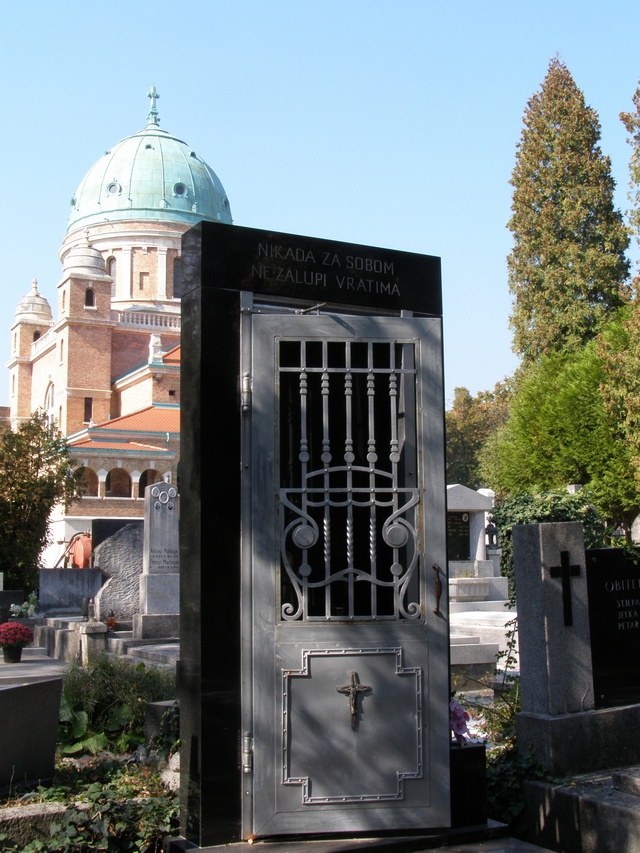
Nikada za sobom ne zalupi vratima. / Never slam a door behind you.



Please, go to the next page below.
Mirogoj cemetery in Zagreb, part 2






Please, go to the next page below.
Mirogoj cemetery in Zagreb, part 3
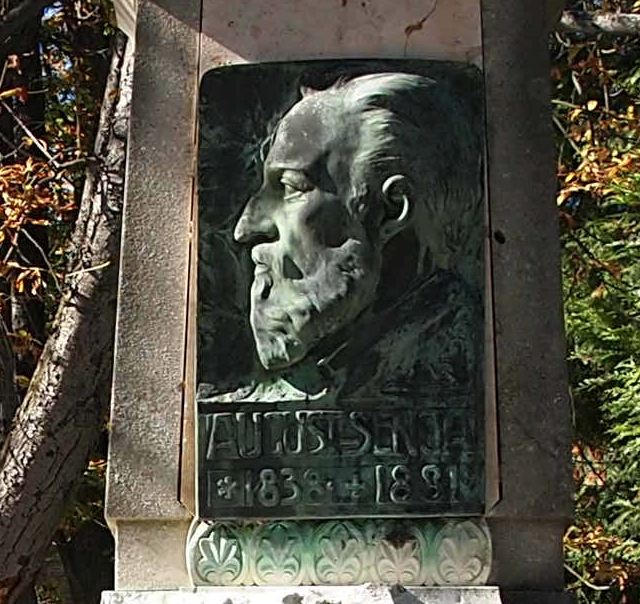
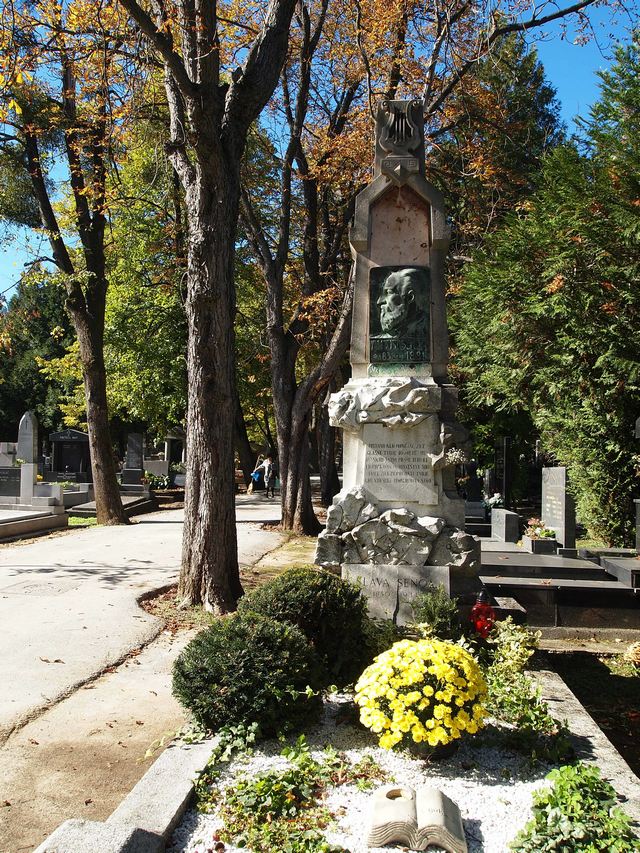
August Šenoa, Croatian writer
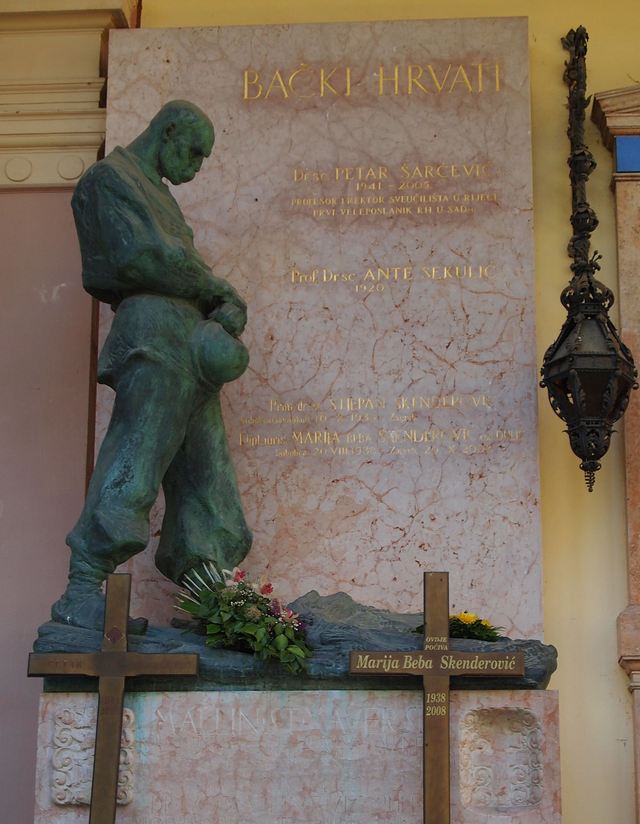
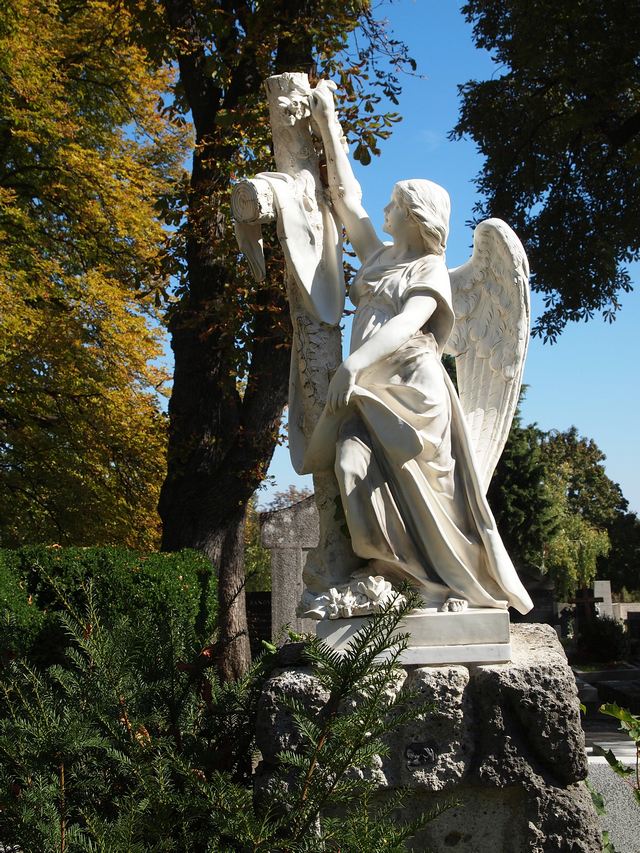

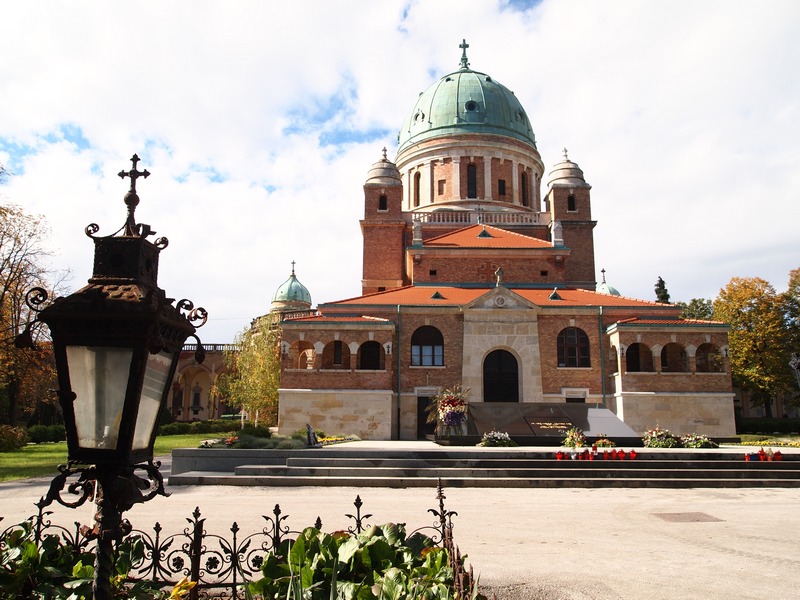
The Church of Christ the King; near it is the grave of Dr. Franjo Tuđman, the first president of the Republic of Croatia

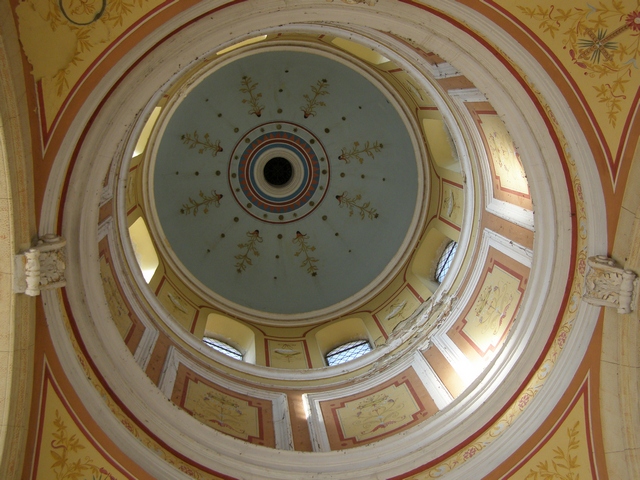
Crkva Krista Kralja – The Church of Christ the King
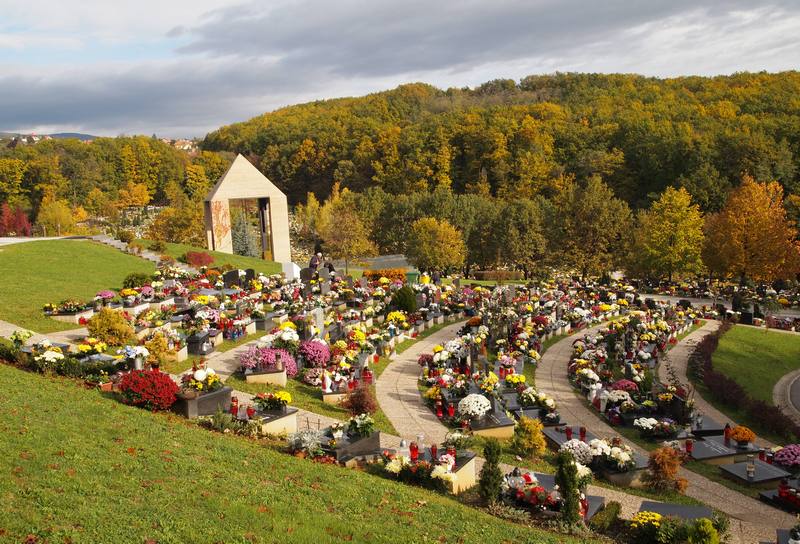
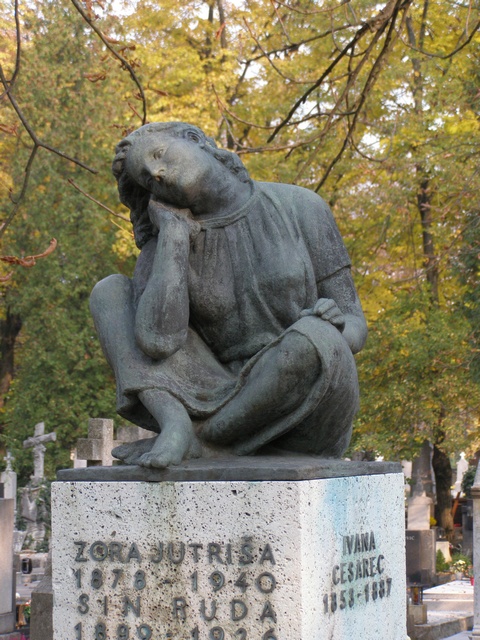
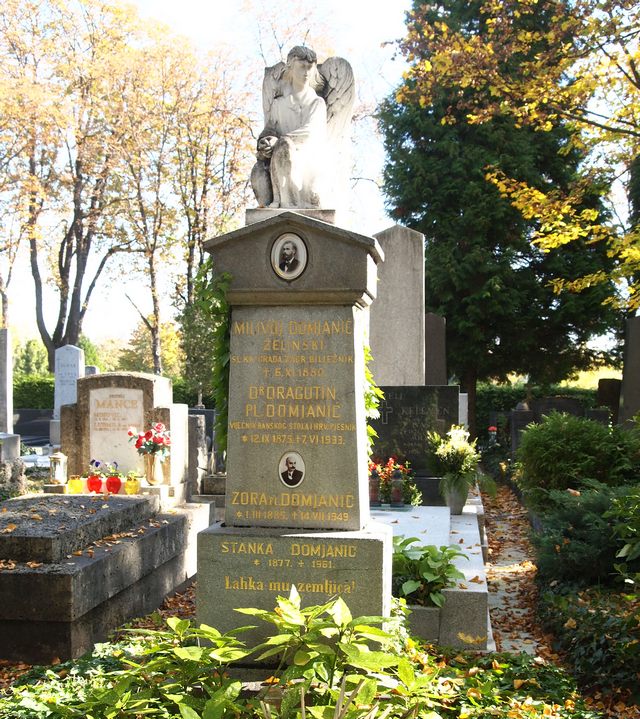
Dragutin Domjanić, Croatian poet
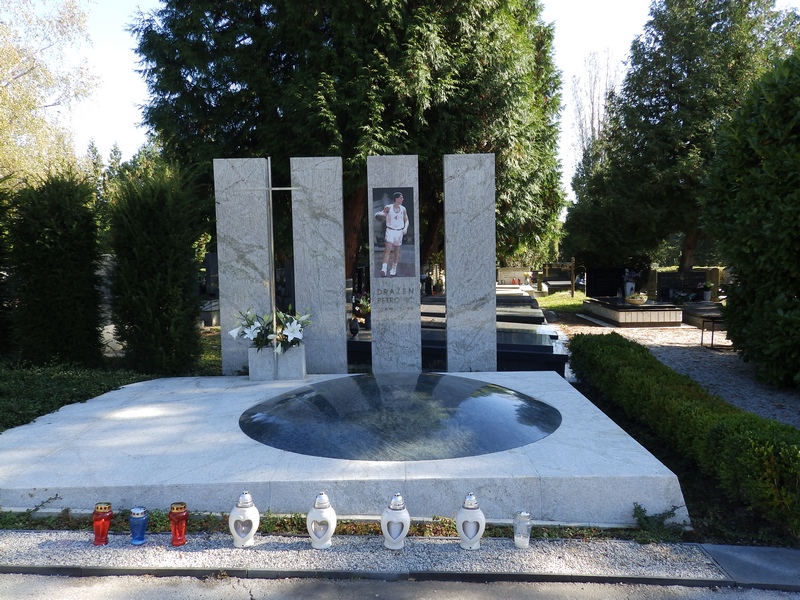
Dražen Petrović, Croatian basketball player

Franjo Rački, Croatian historian
Please, go to the next page below.
Mirogoj cemetery in Zagreb, part 4
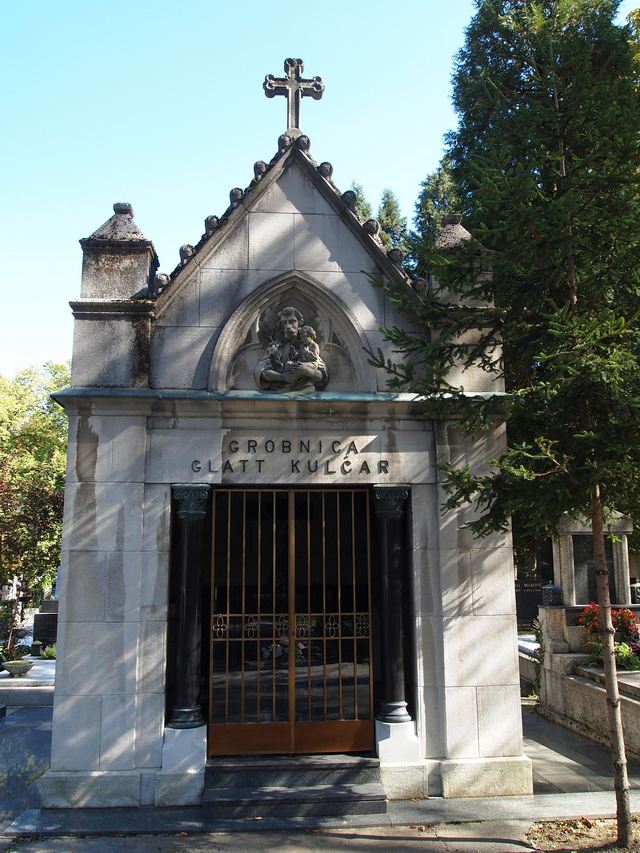
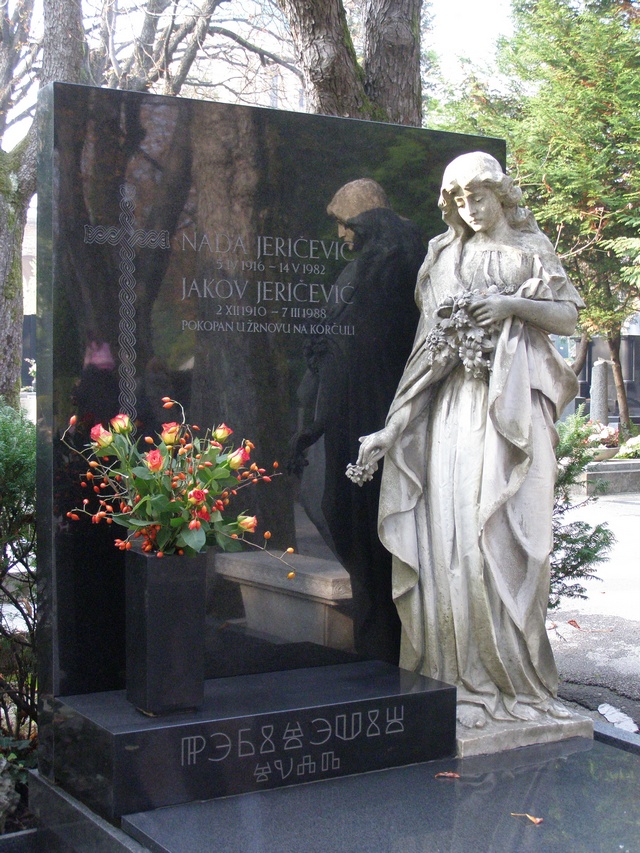

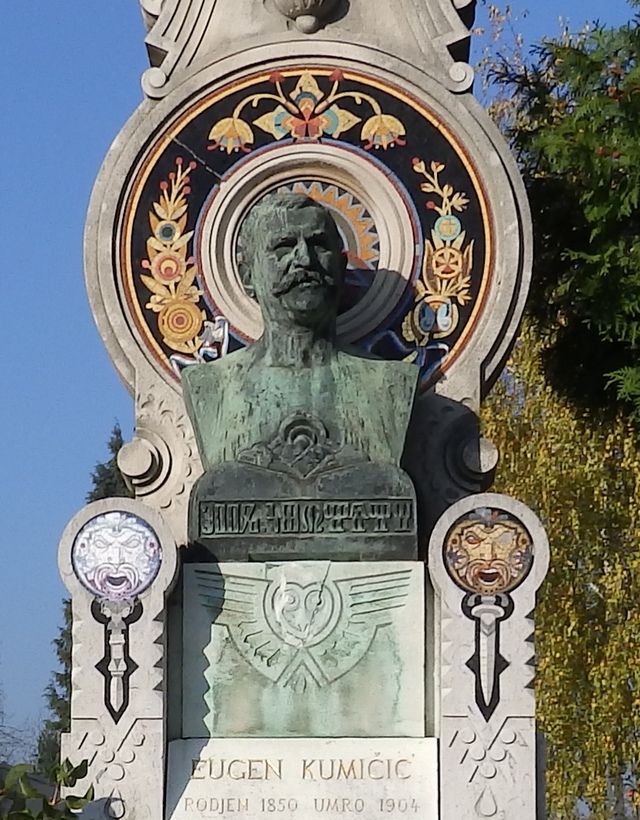
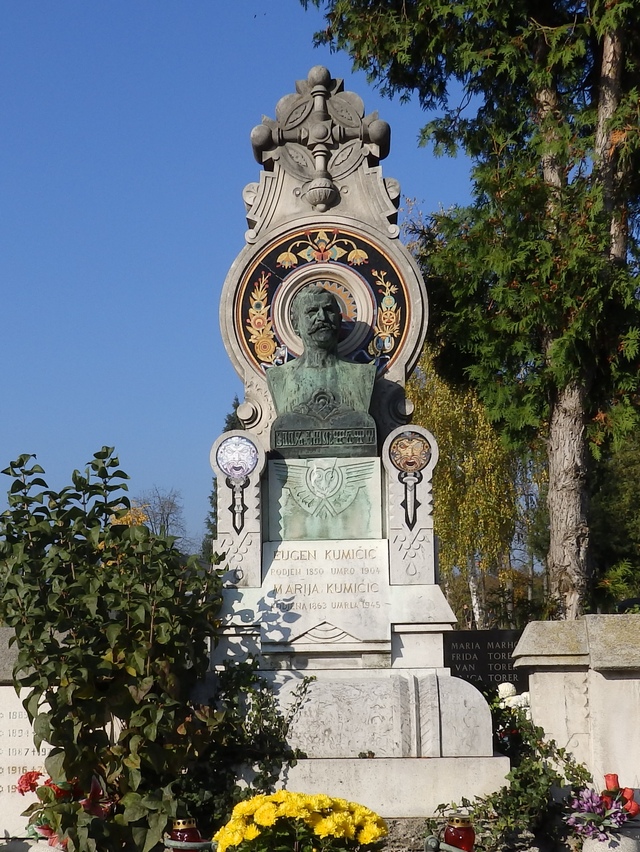
Eugen Kumičić, Croatian writer, with his name written in Croatian Glagolitic Script


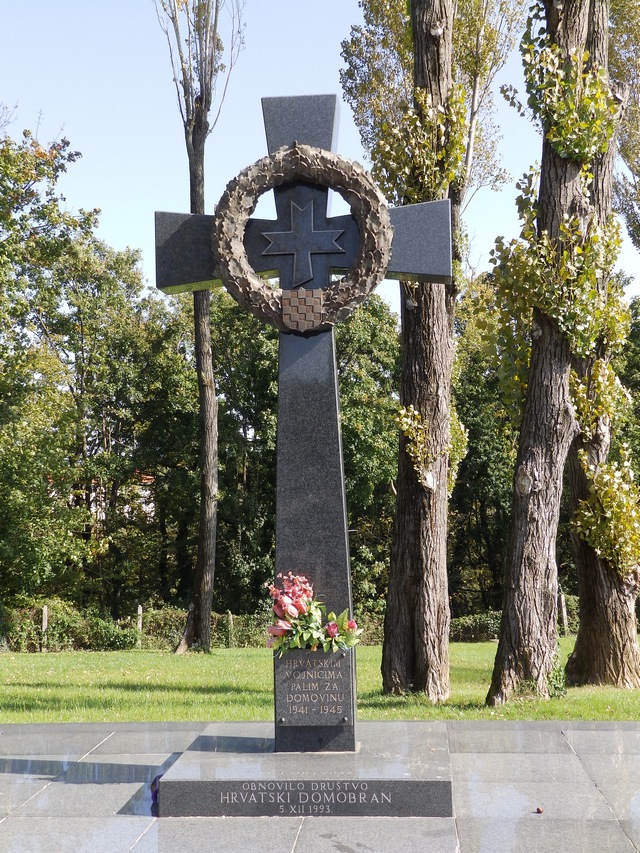
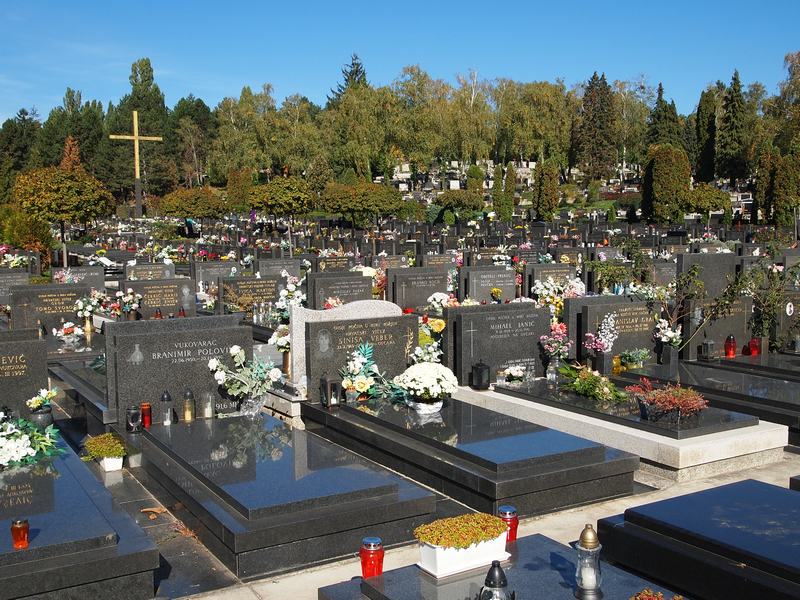
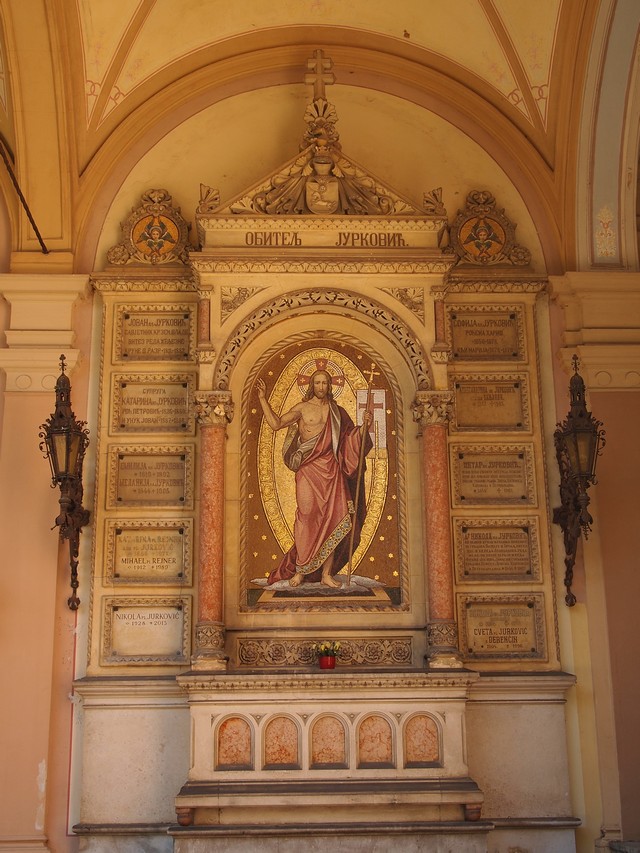

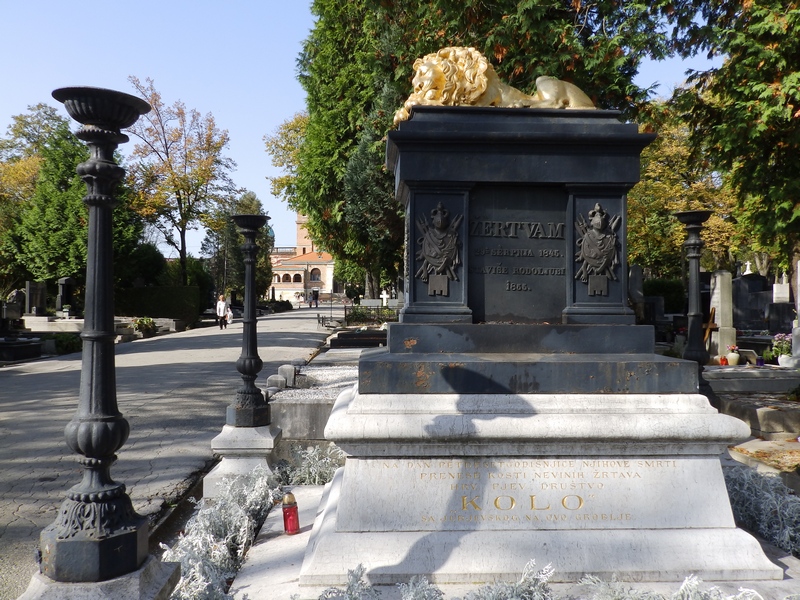


Crkva Krista Kralja – The Church of Christ the King
Please, go to the next page below.
Mirogoj cemetery in Zagreb, part 5
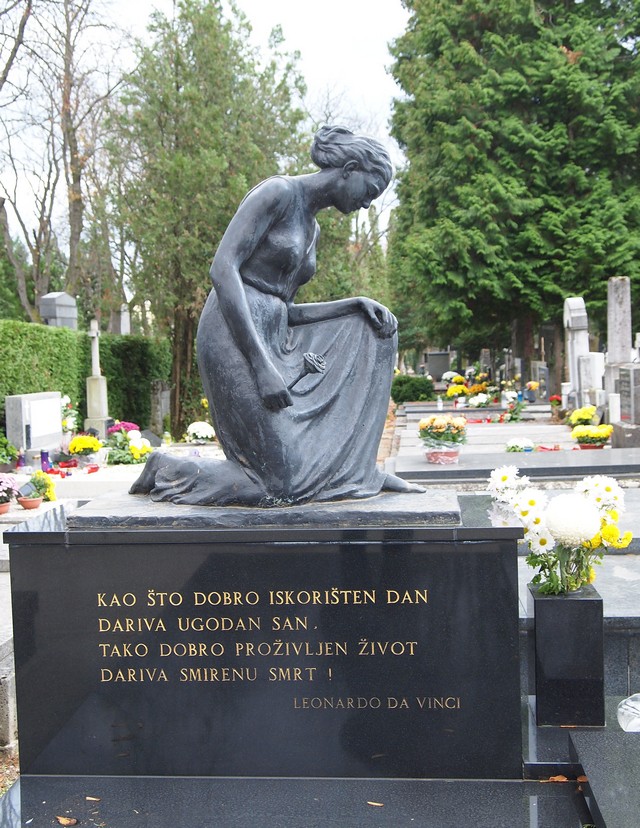

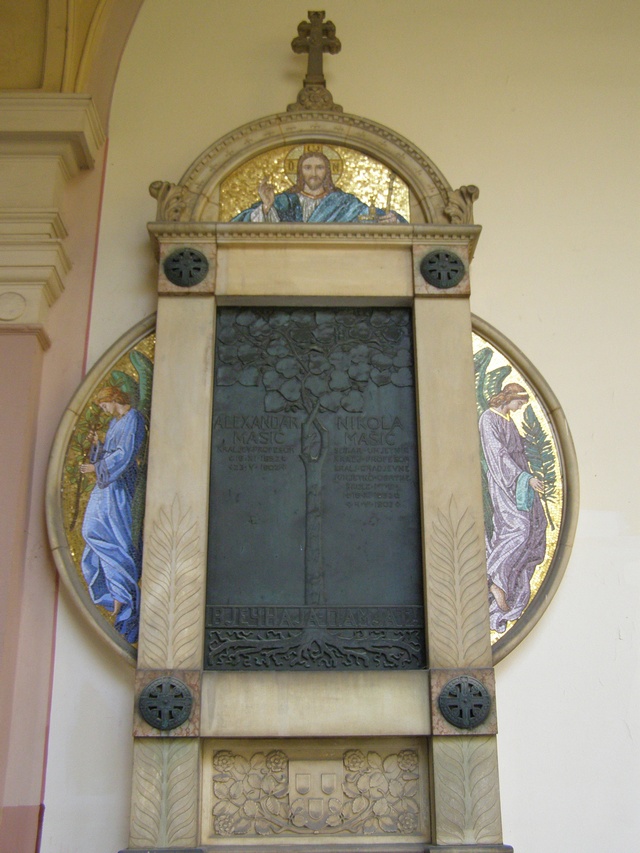
Nikola Mašić, Croatian painter

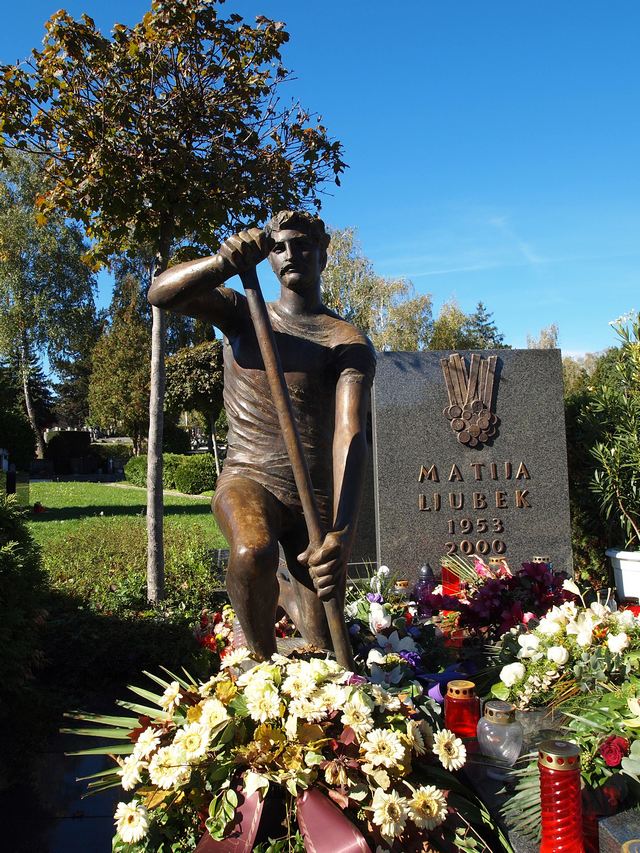
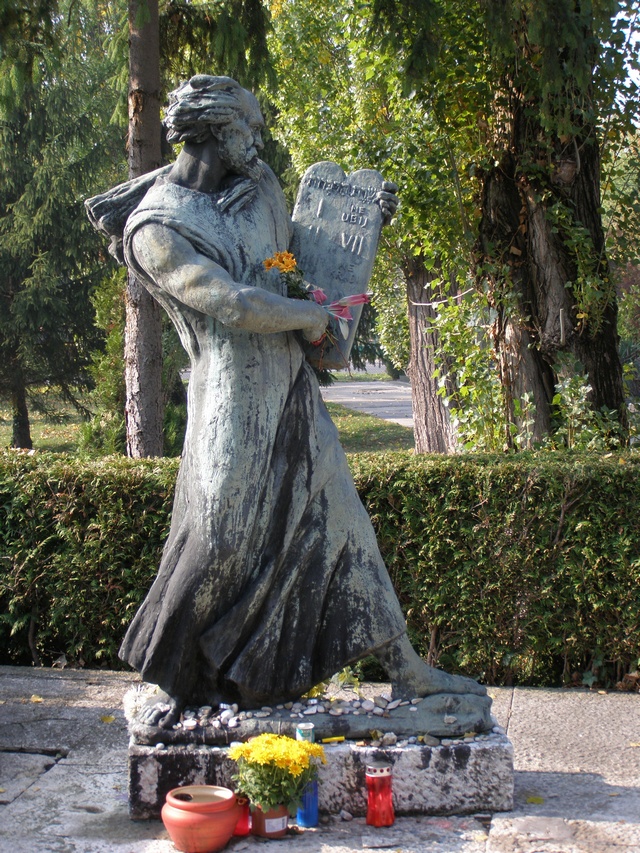
Matija Ljubek, Croatian sportsman


Please, go to the next page below.
Mirogoj cemetery in Zagreb, part 6



Petar Preradović, Croatian writer and poet
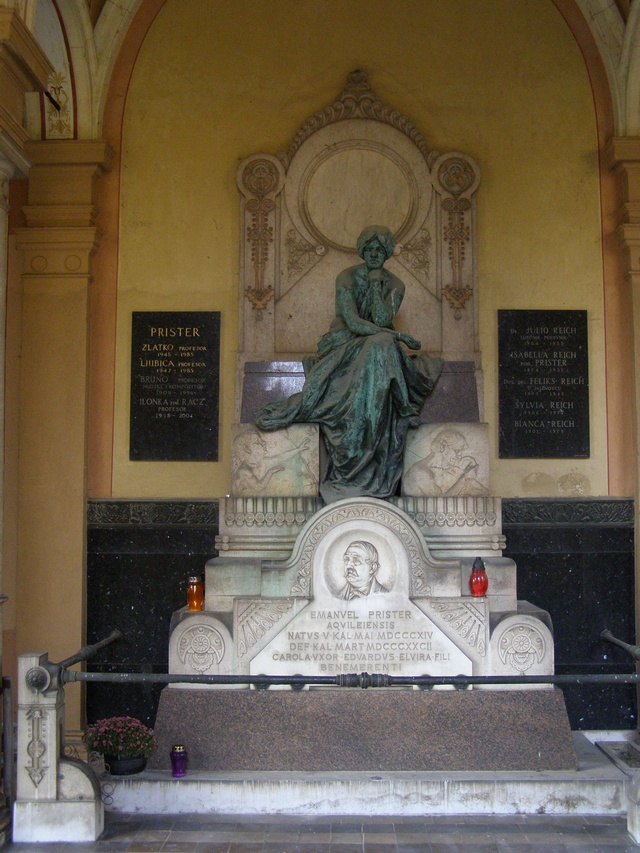
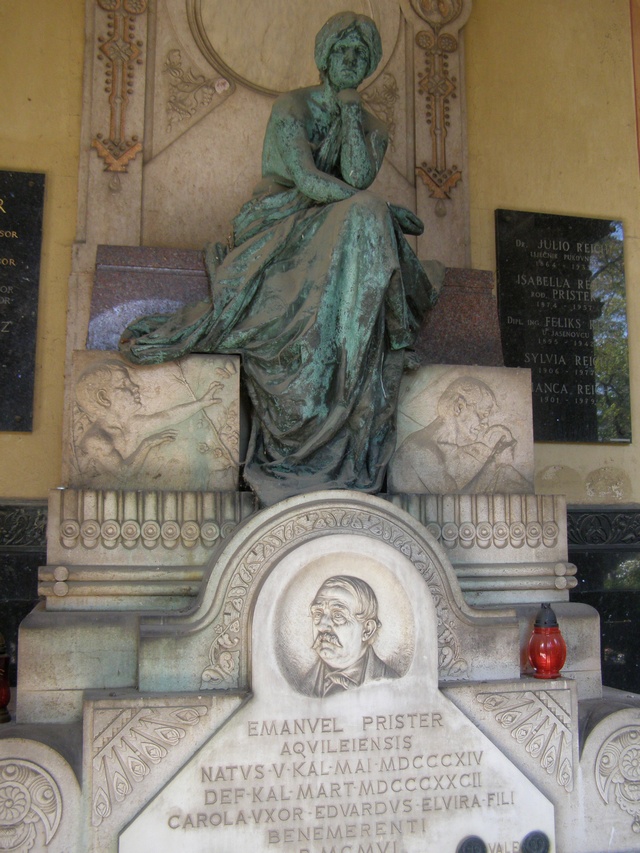

Vanja Radauš, Croatian sculptor, painter and writer.
Please, go to the next page below.
Mirogoj cemetery in Zagreb, part 7
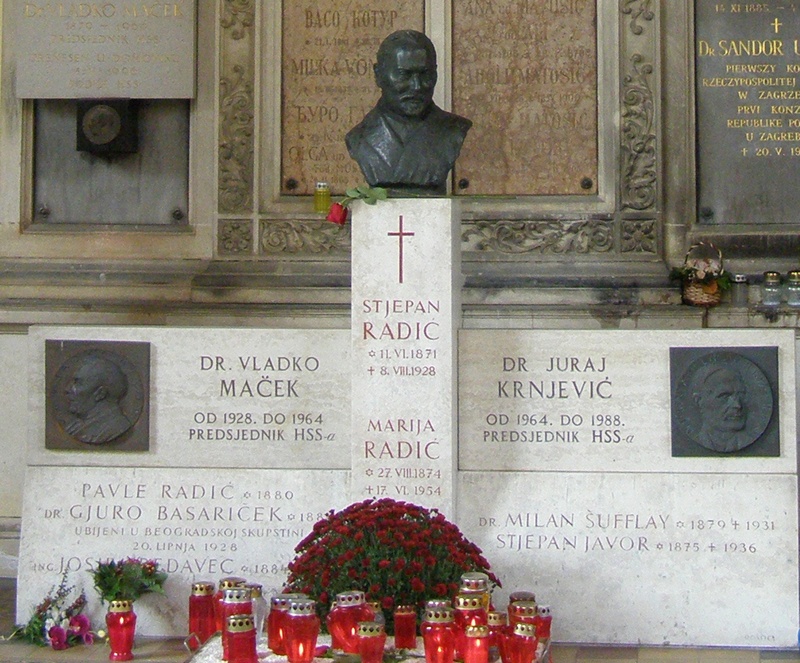
Stjepan Radić Croatian politician and martyr, Milan Šufflay, Croatian historian and martyr

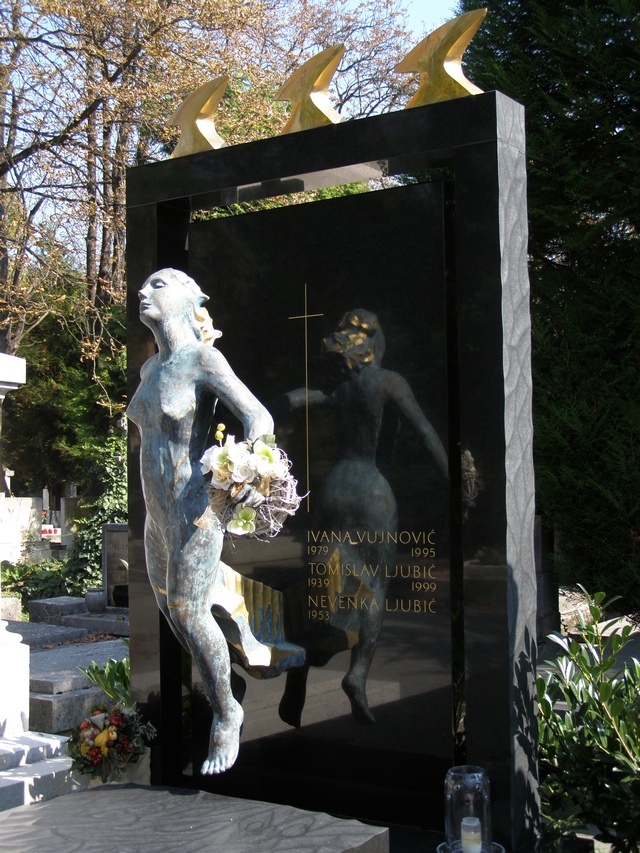

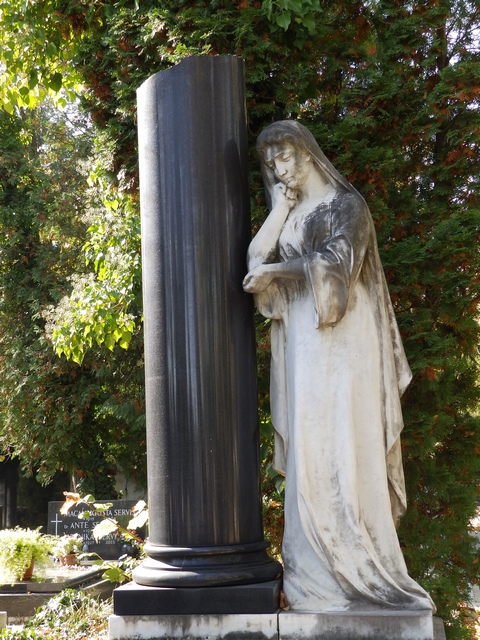
Please, go to the next page below.
Mirogoj cemetery in Zagreb, part 8
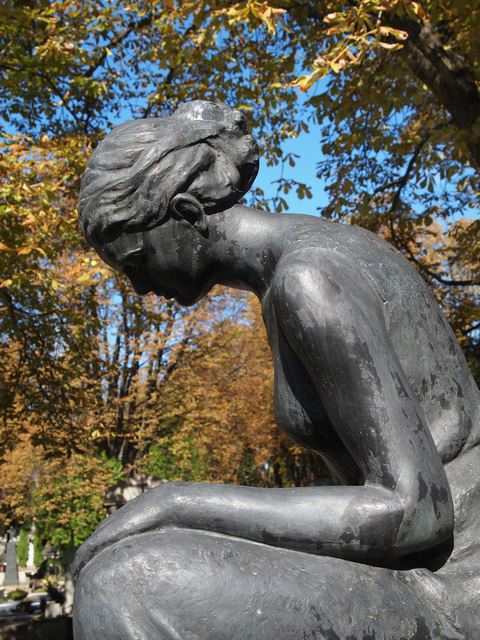
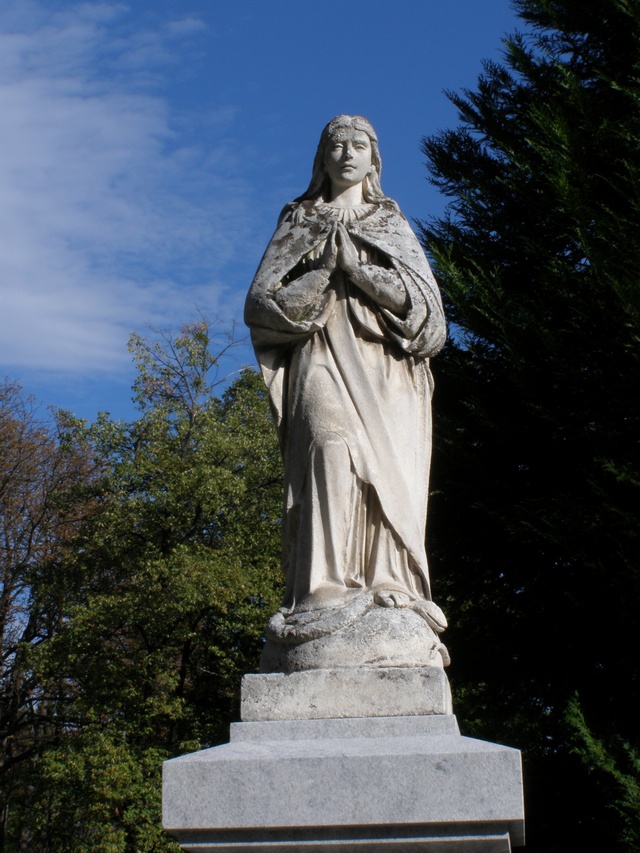
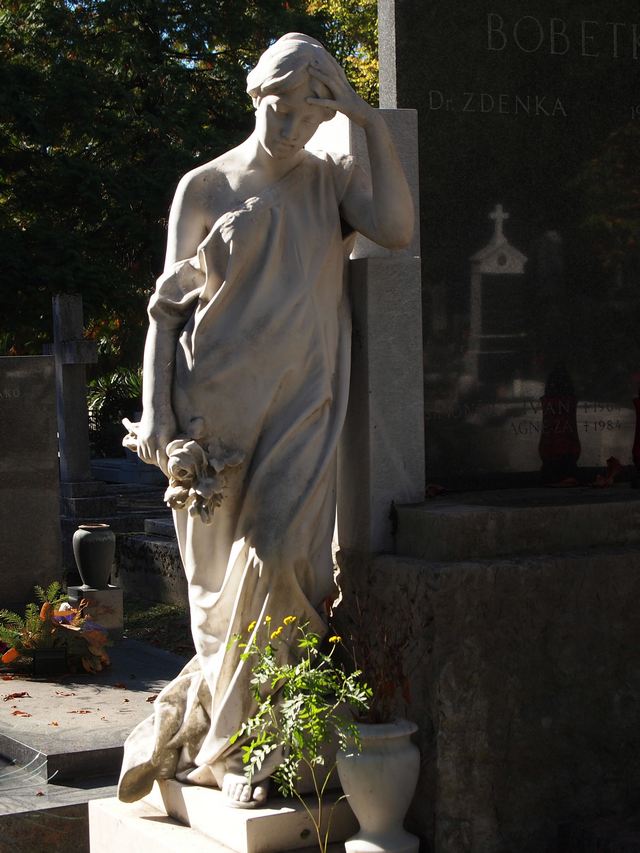
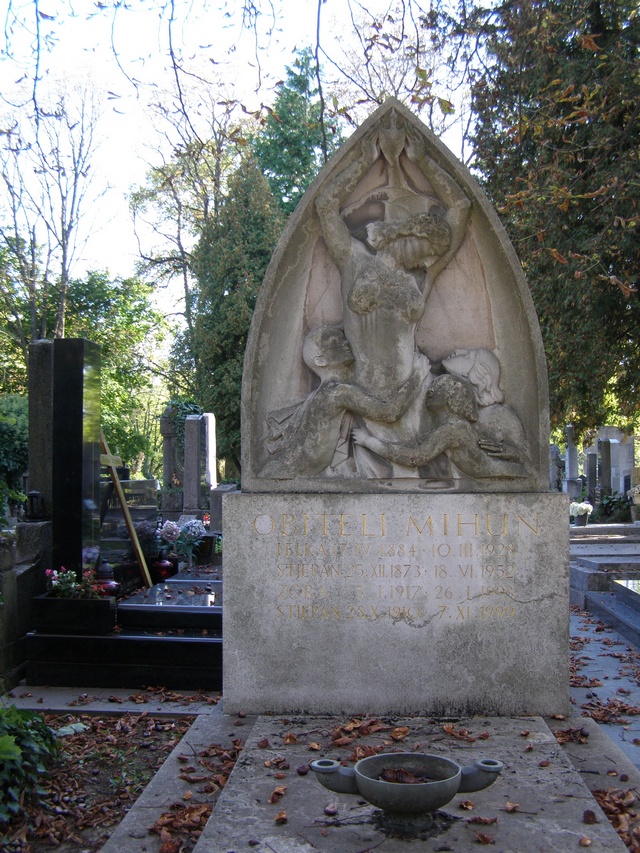

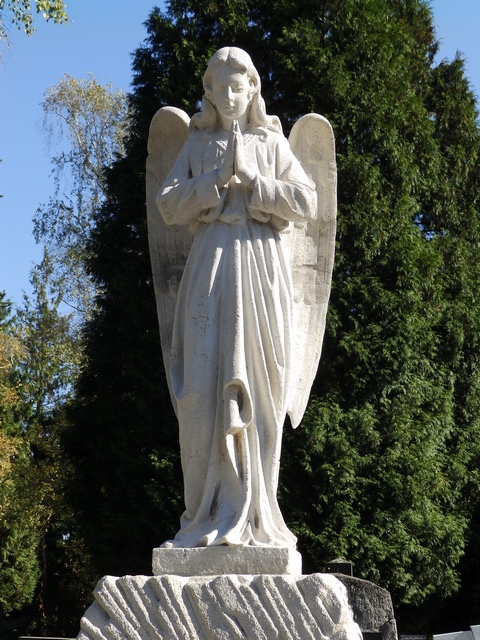
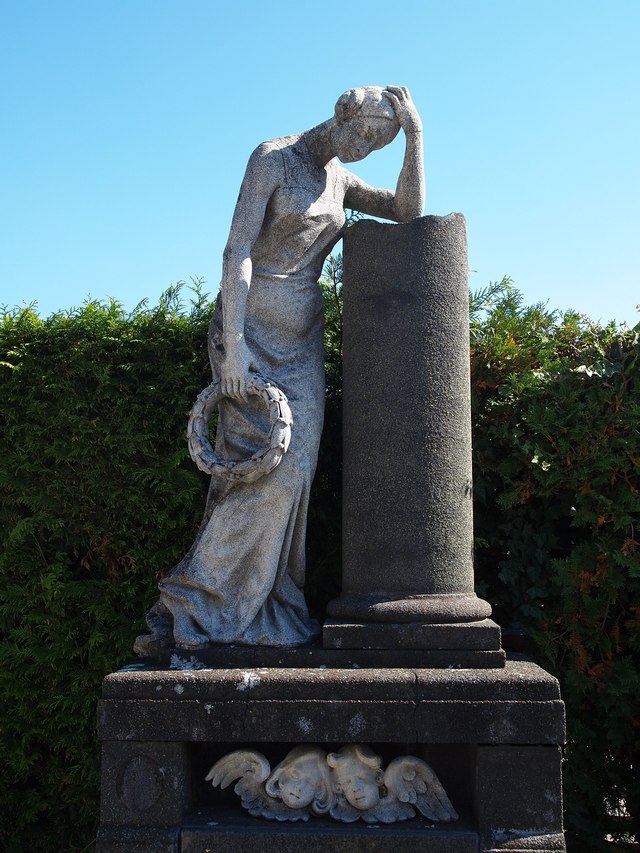


Zlatko Baloković, Croatian violinist
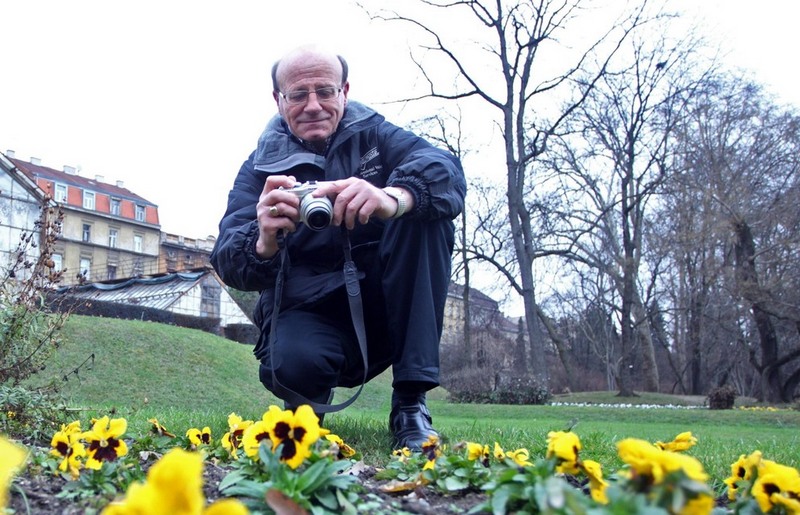
Nikola Piasevoli, author of the photos from the Mirogoj Cemetery.
Photo by Goran Jakuš/Pixsell
Photo by Goran Jakuš/Pixsell
Formated for CROWN by Darko Žubrinić
Distributed by www.Croatia.org . This message is intended for Croatian Associations/Institutions and their Friends in Croatia and in the World. The opinions/articles expressed on this list do not reflect personal opinions of the moderator. If the reader of this message is not the intended recipient, please delete or destroy all copies of this communication and please, let us know!


